How Rwanda Has Made Progress in Protecting the Rights of Persons with Disabilities
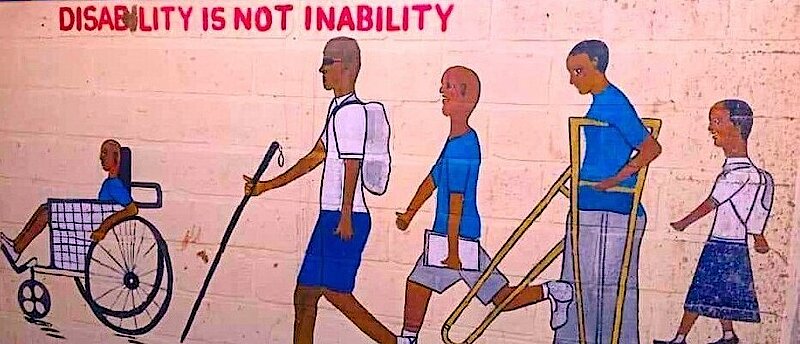
In recent years, the Government of Rwanda has shown strong commitment to promoting the rights of persons with disabilities. This has been done through creating special laws, policies, and programs to protect and support people with disabilities. These actions have helped change how people think about disability in Rwanda, both among citizens and government institutions. At the international level, Rwanda signed the United Nations Convention on the Rights of Persons with Disabilities (CRPD) on December 15, 2008, and officially approved it later. Since then, the country has worked to apply the ideas of the convention through national laws and development plans. To support this goal, the Government created the National Council of Persons with Disabilities (NCPD), as stated in Law No. 03/2011 of February 10, 2011. This council represents people with disabilities, helps them take part in planning and decision-making, and encourages their involvement in the development of the country. NCPD also supports the implementation of laws and policies that protect persons with disabilities in areas such as education, health, jobs, and social welfare. In addition to government efforts, Rwanda’s journey to support persons with disabilities has a long history. In the 1960s, Father Fraipont Ndagijimana started the Gatagara Center in Nyanza District. This was the first center in Rwanda to care for children with physical disabilities. It provided medical services, education, and vocational training. Gatagara helped change how people saw disability, showing that persons with disabilities have equal rights. However, there is a difference between what Gatagara did and what the Government is doing now. Gatagara’s work was based on charity and kindness. But the Government of Rwanda now takes action based on the belief that people with disabilities have full human rights like everyone else. This approach has led to stronger and long-term support systems, making sure persons with disabilities are included in the country’s development.