“First National Dialogue on Inclusive Education in Rwanda has become a Powerful reminder of our shared responsibility to leave no child behind.” Hon. Minister Nsengimana noted.

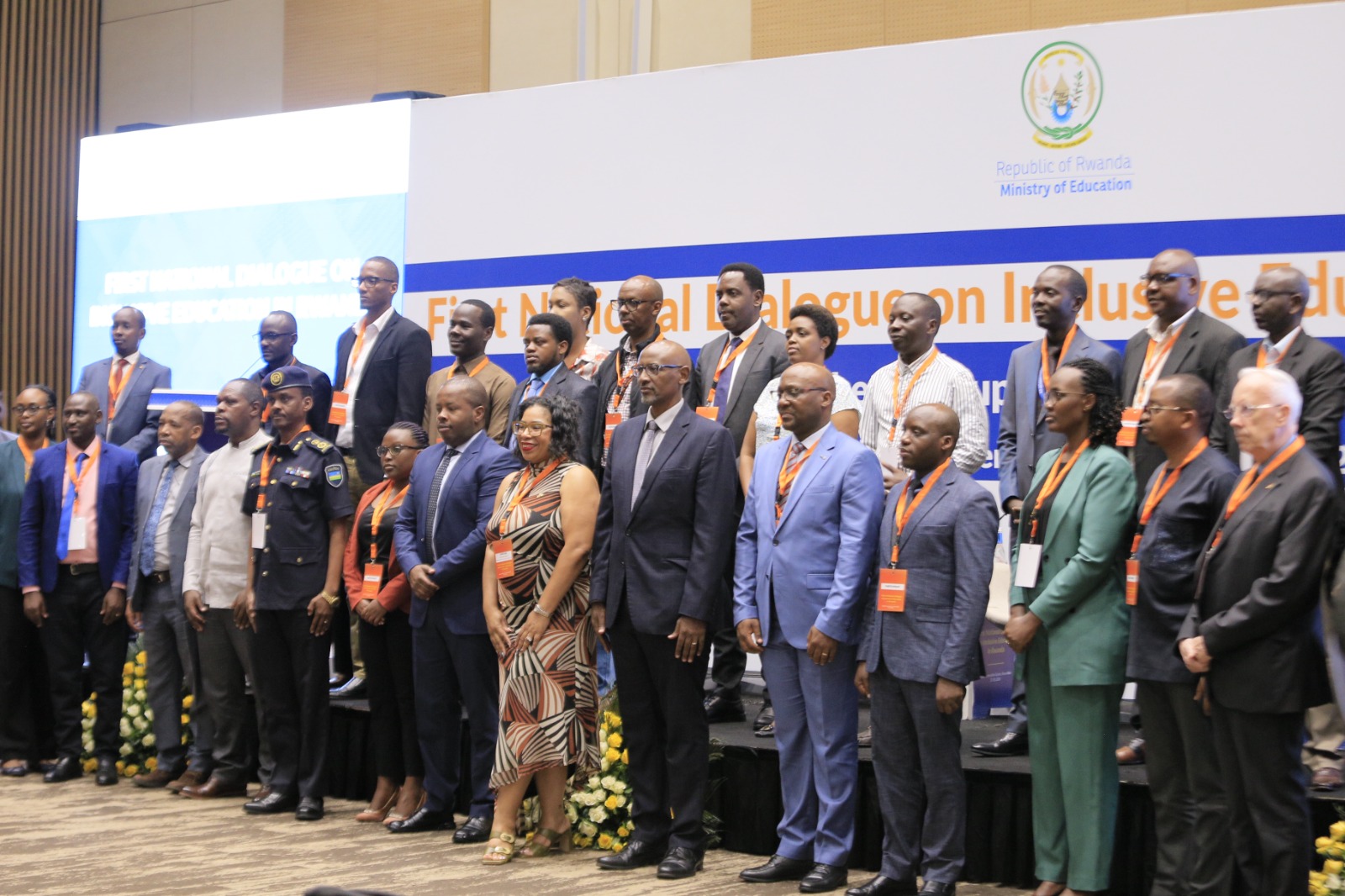
On 27th November 2024 at Kigali Convention Center, The Rwanda Basic Education Board (REB), in collaboration with key education partners, hosted the First National Dialogue on Inclusive Education in Rwanda to discuss strategies for ensuring that all children, regardless of their abilities or backgrounds, have access to quality education in which Hon. Minister of Education, Joseph Nsengimana was the Guest of honor.
“First National Dialogue on Inclusive Education in Rwanda,” aimed at bringing together stakeholders from various sectors to collaborate on creating solutions that enhance educational access, quality, and inclusivity for learners with disabilities.
In the dialogue, policymakers, educators, development partners, parents, and students collectively addressed the challenges and opportunities related to inclusive education in Rwanda. The conversation emphasized the importance of equity in the education system, ensuring that no learner is left behind.
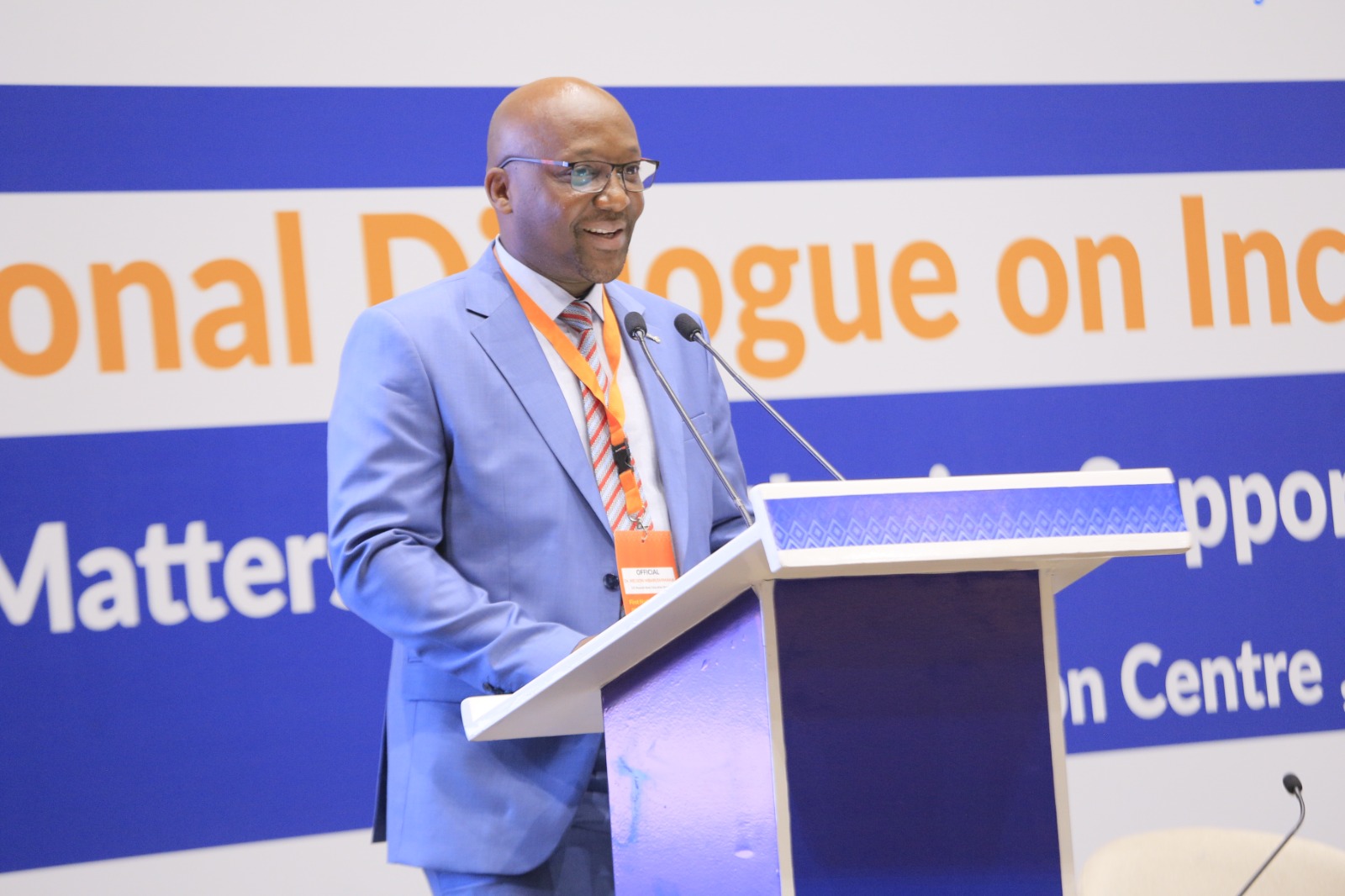
Hon. Minister of Education, Joseph Nsengimana officiated the opening of Rwanda’s First National Dialogue on Inclusive Education. The two-day event was themed: "Every Learner Matters: Strengthening Support Systems for Inclusive Learning in Rwanda."
In his opening remarks, Hon. Minister of Education, Joseph Nsengimana said that the government of Rwanda reaffirms its commitment to fostering inclusivity and ensuring equitable access to education for all regardless of disability.
“The government is committed to addressing all types of disabilities. This requires identifying the number of students affected and collaborating across sectors to ensure appropriate support, this celebration serves as a powerful reminder of our shared responsibility to leave no child behind as we work towards building a more inclusive and sustainable future.” Honorable Nsengimana said.
He added that while schools for children with disabilities exist, their number is insufficient, especially for those with complex or combined disabilities. “We aim to increase the number of such schools and equip them better. Having one or two schools is not enough when children with disabilities are spread across the country,” he said.
To address these gaps, Nsengimana highlighted the importance of teacher training. “Teacher Training Centres (TTCs) now offer courses on special needs education; ensuring graduates are better equipped to support students with disabilities. Additionally, a joint ministerial commission is considering ways to enhance the ability to detect and support students with non-physical disabilities, such as autism.”
While addressing the gathering at day one, Rwanda Basic Education Board Director General Dr. Mbarushimana Nelson thanked everyone who puts the efforts to ensure the quality of education becomes reality. He underlined that to promote and improve quality of education in basic, specialised, and adult schools is the mission for everyone.
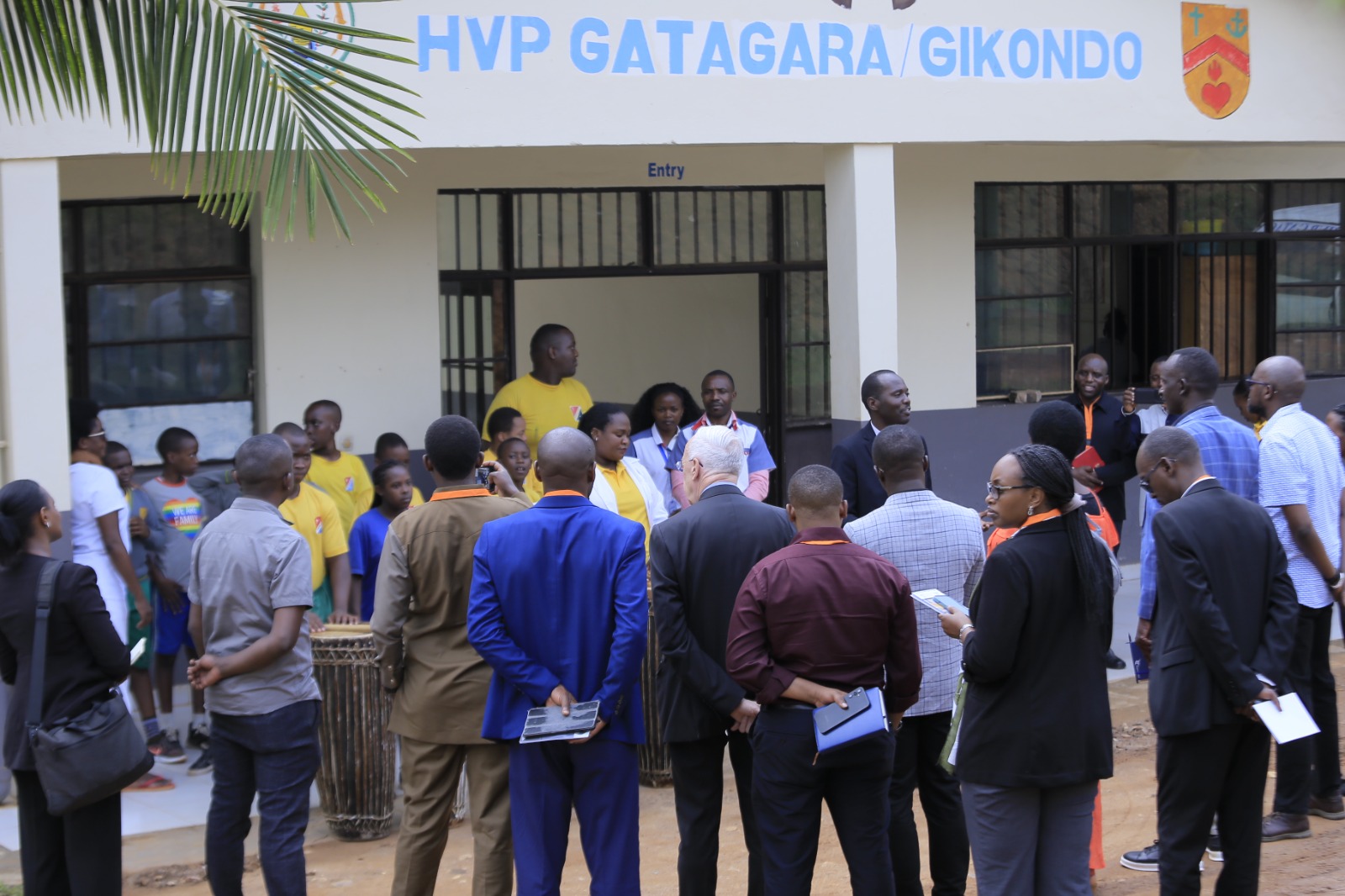
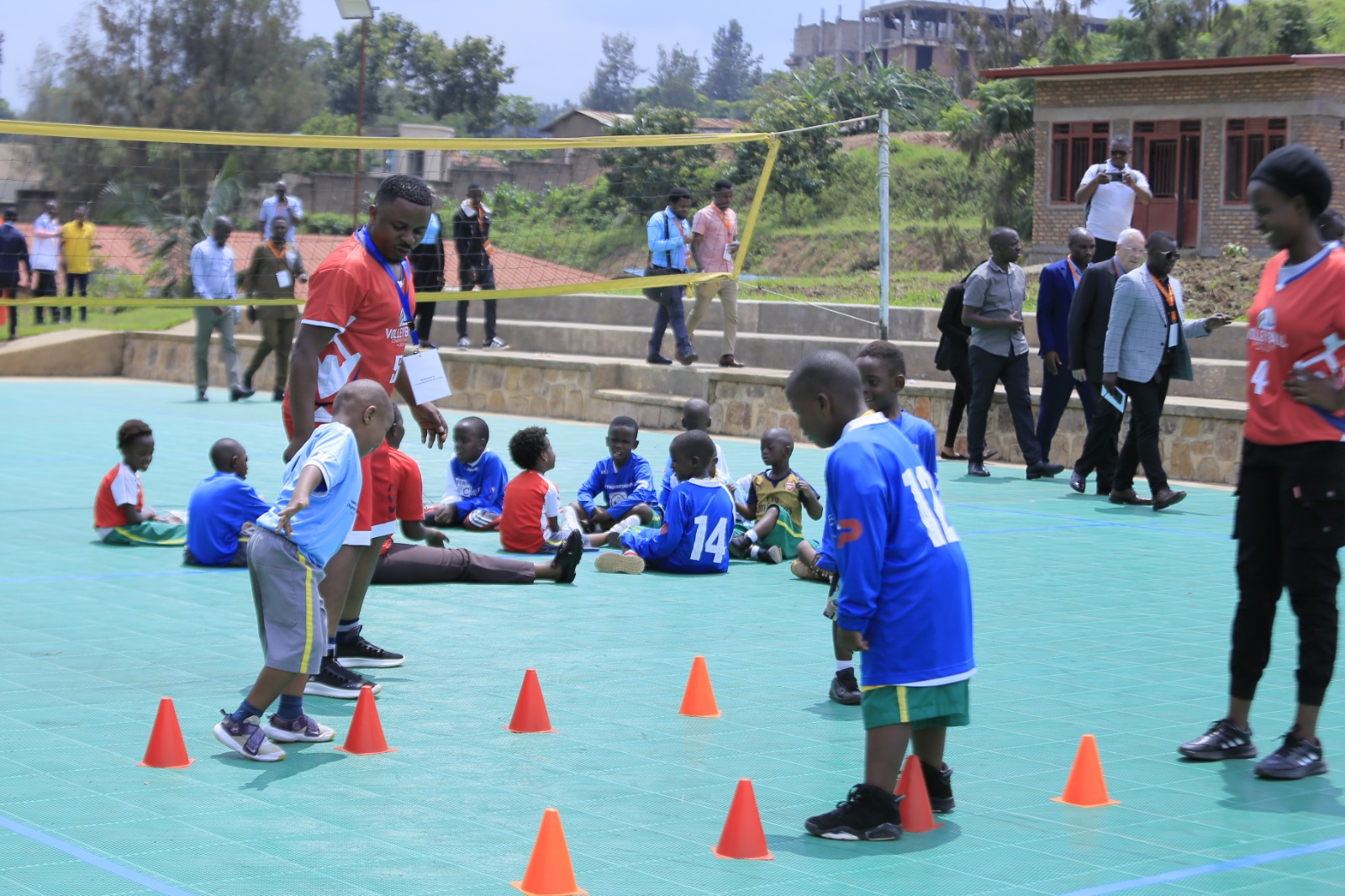
The second day of First National Dialogue on Inclusive Education in Rwanda was characterized by different visits of special schools to observe challenges and propose the solutions on how challenges can be addressed. The main purpose of the field visit was to find out the achievements, challenges and propose recommendations. After the field visit of special schools (Centre Humura, Tubiteho special school, AUTISM RWANDA, HVP GATAGARA, and Smaldone), participants of First National Dialogue shared their thoughts and insights while commit themselves to be the voice of voiceless.
To close the First National Dialogue on Inclusive Education in Rwanda, Director General of Rwanda Easic Education Board, Dr. Mbarushimana Nelson shared a reminder about the theme of First National Dialogue on Inclusive Education in Rwanda “Every Learner Matters: Strengthening Support Systems for Inclusive Learning in Rwanda.”
DG REB said: “The great future generation depends on support you get by today. It is our responsibility to work as team to support our children for their brighter future.” He even declared the second National Dialogue on Inclusive Education in Rwanda next year 2025.
The dialogue aligns with Rwanda's Vision 2050 and Sustainable Development Goal 4, (SDG 4), which aims to ensure inclusive and equitable quality education and promote lifelong learning opportunities for all.
Key Highlights:
Inclusive Policy Implementation: The Ministry of Education reaffirmed its commitment to strengthening policies that support learners with special needs, disabilities, and other marginalized groups.
Teacher Capacity Building: teachers are equiped with skills and resources to create inclusive classrooms that accommodate diverse learning needs. On going training are initiated every year to increase the number of capable teachers.
Infrastructure Development: school infrastructures are accessible with facilities for learners with physical disabilities.
Community Engagement: The dialogue highlighted the role of parents and the community in supporting inclusive education through awareness and advocacy.
REB encourages continued engagement from all partners to build an education system where every learner thrives. The event served as a platform to identify actionable strategies and strengthen partnerships that will drive inclusive education forward.
The event was streamed live, engaging stakeholders both nationally and internationally.
For those who missed the dialogue, the full recording is available on REBYou Tube Channel: https://www.youtube.com/live/7kT8MCPNIxU?si=7SOVMEalVctVywhZ