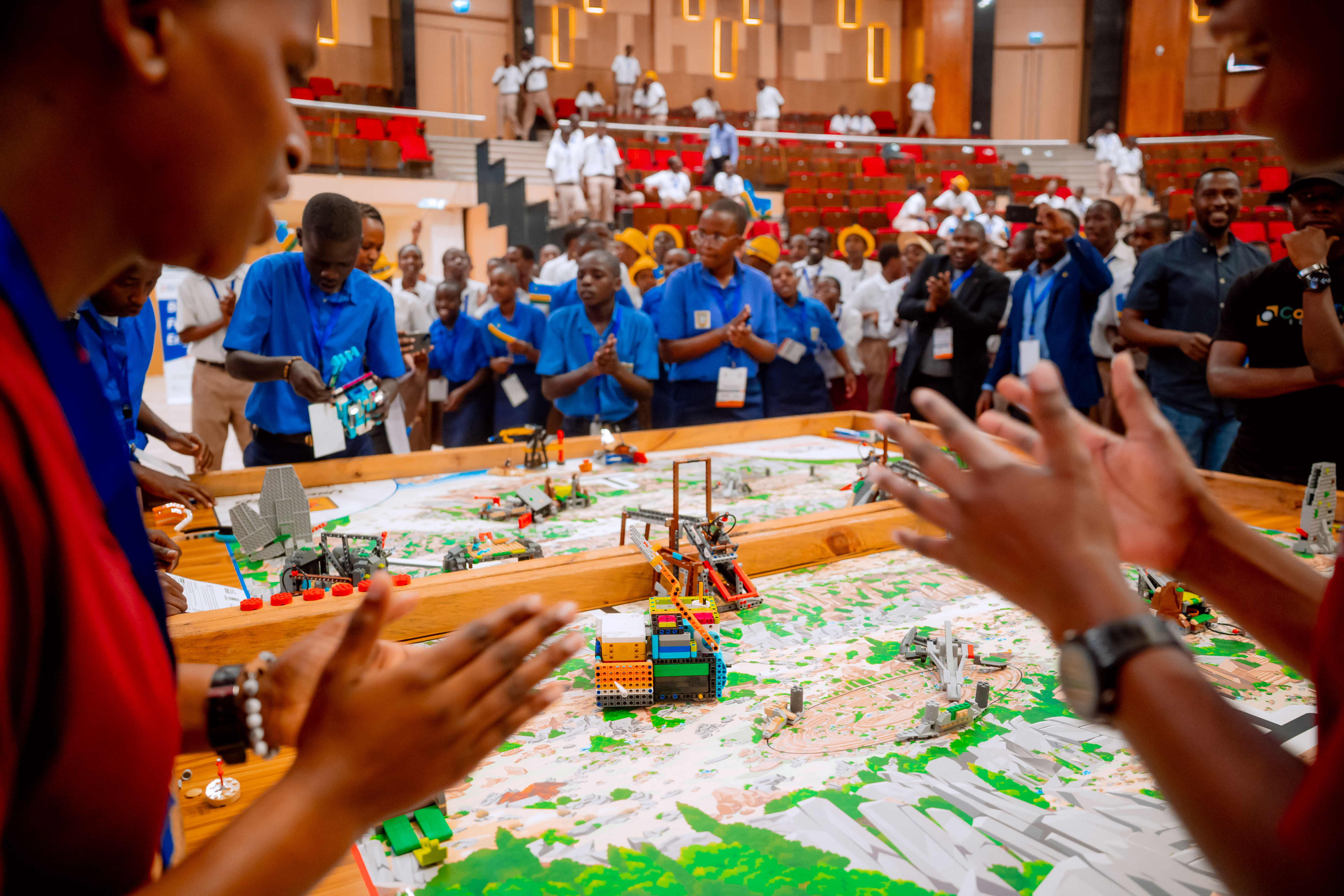
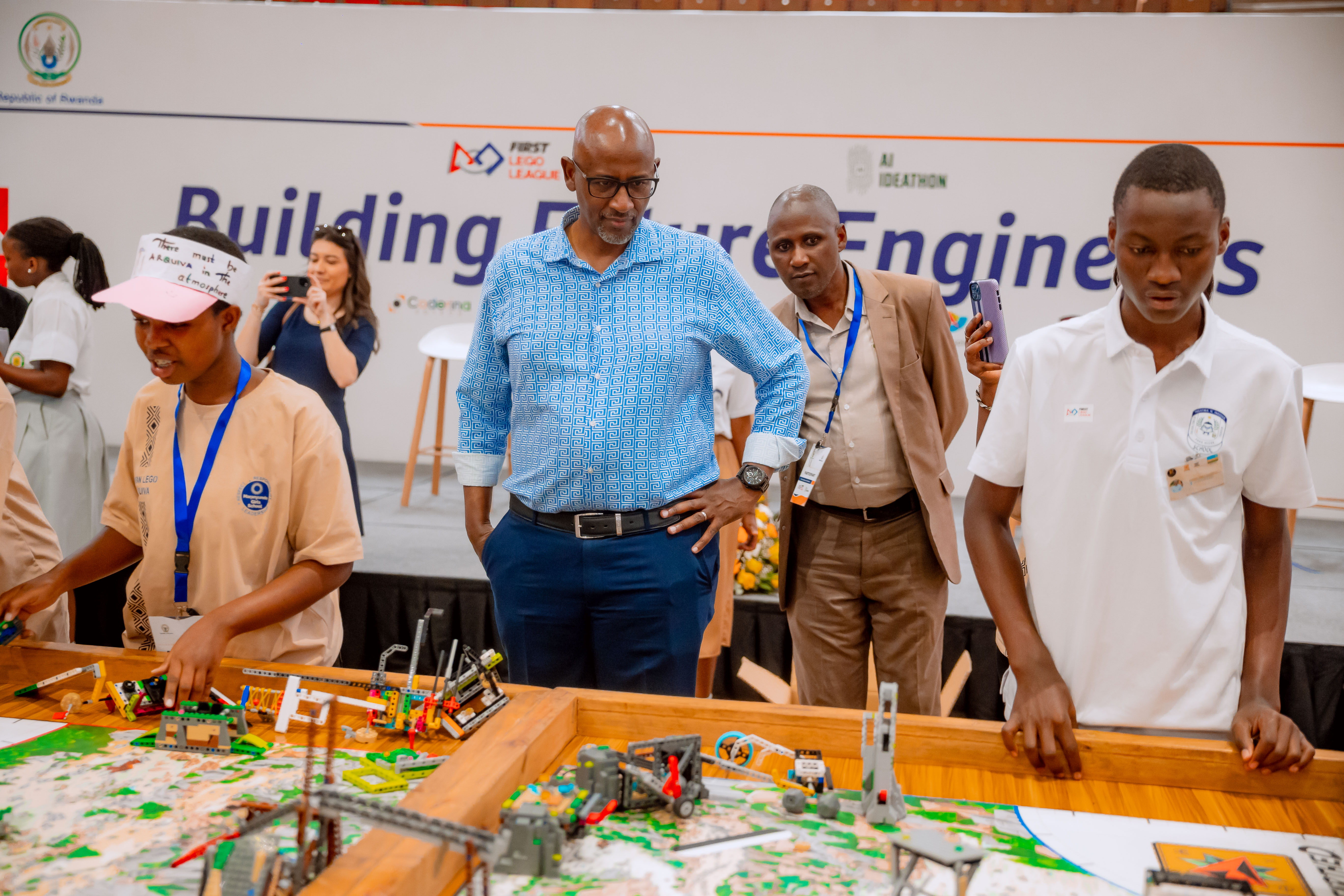
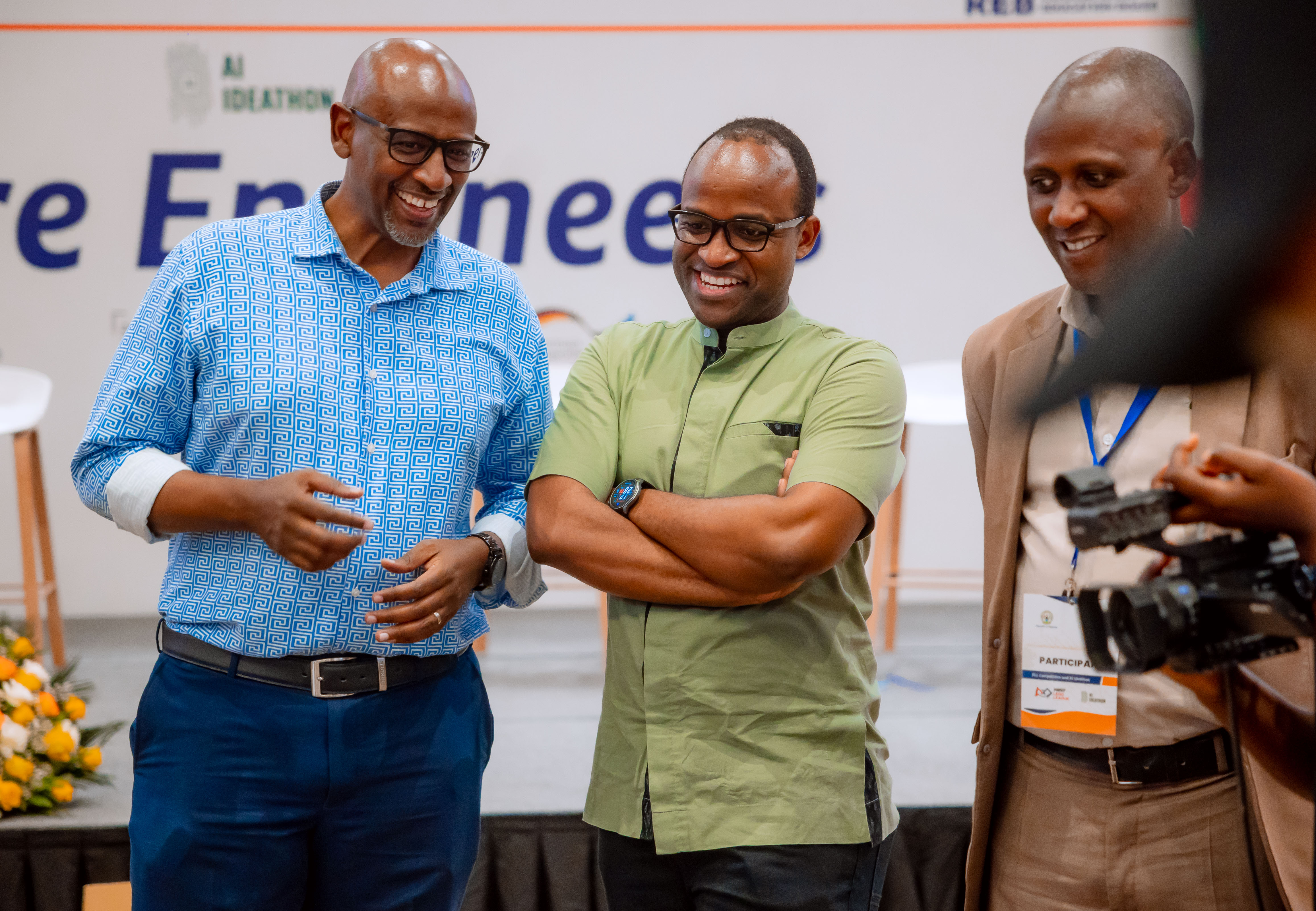
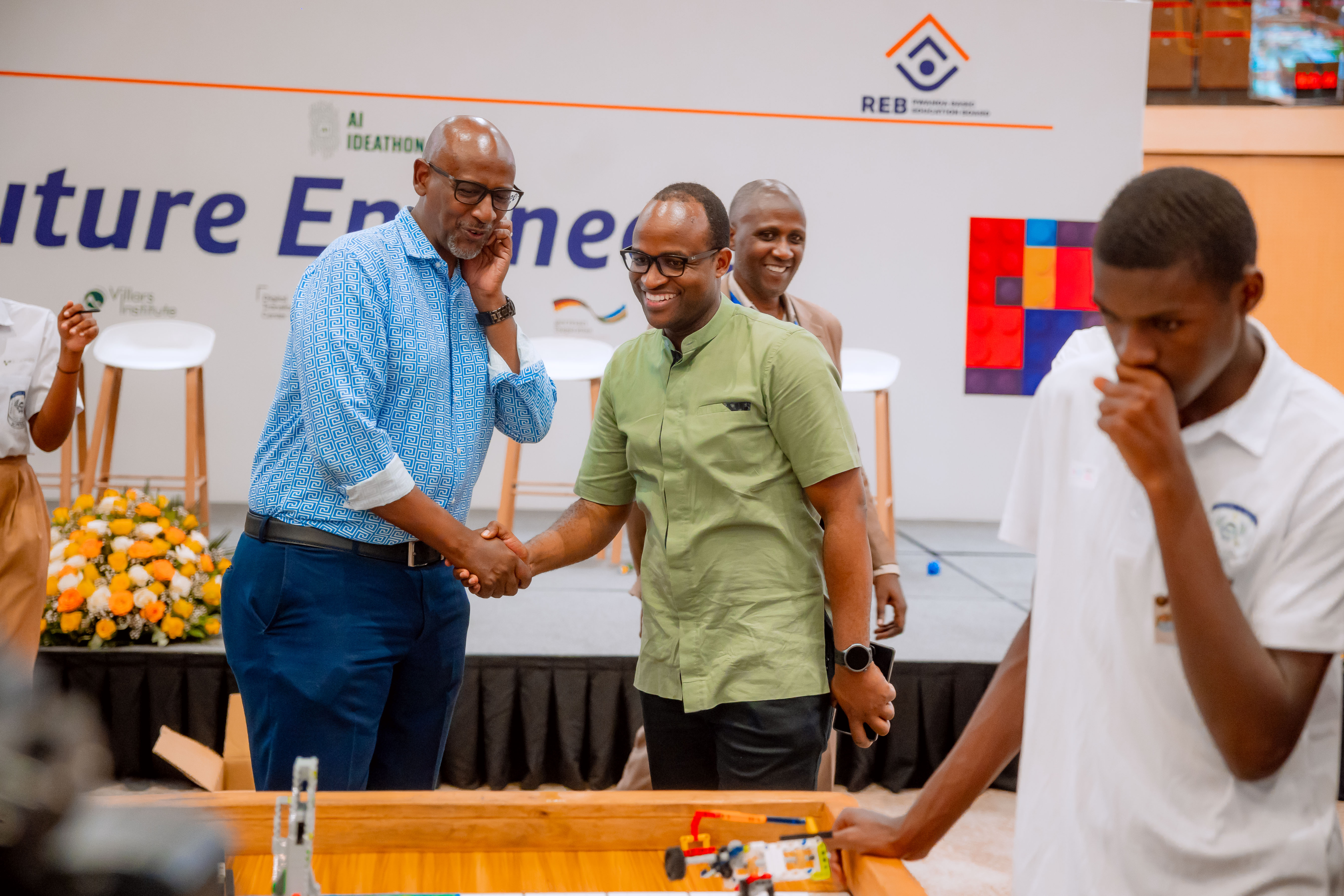
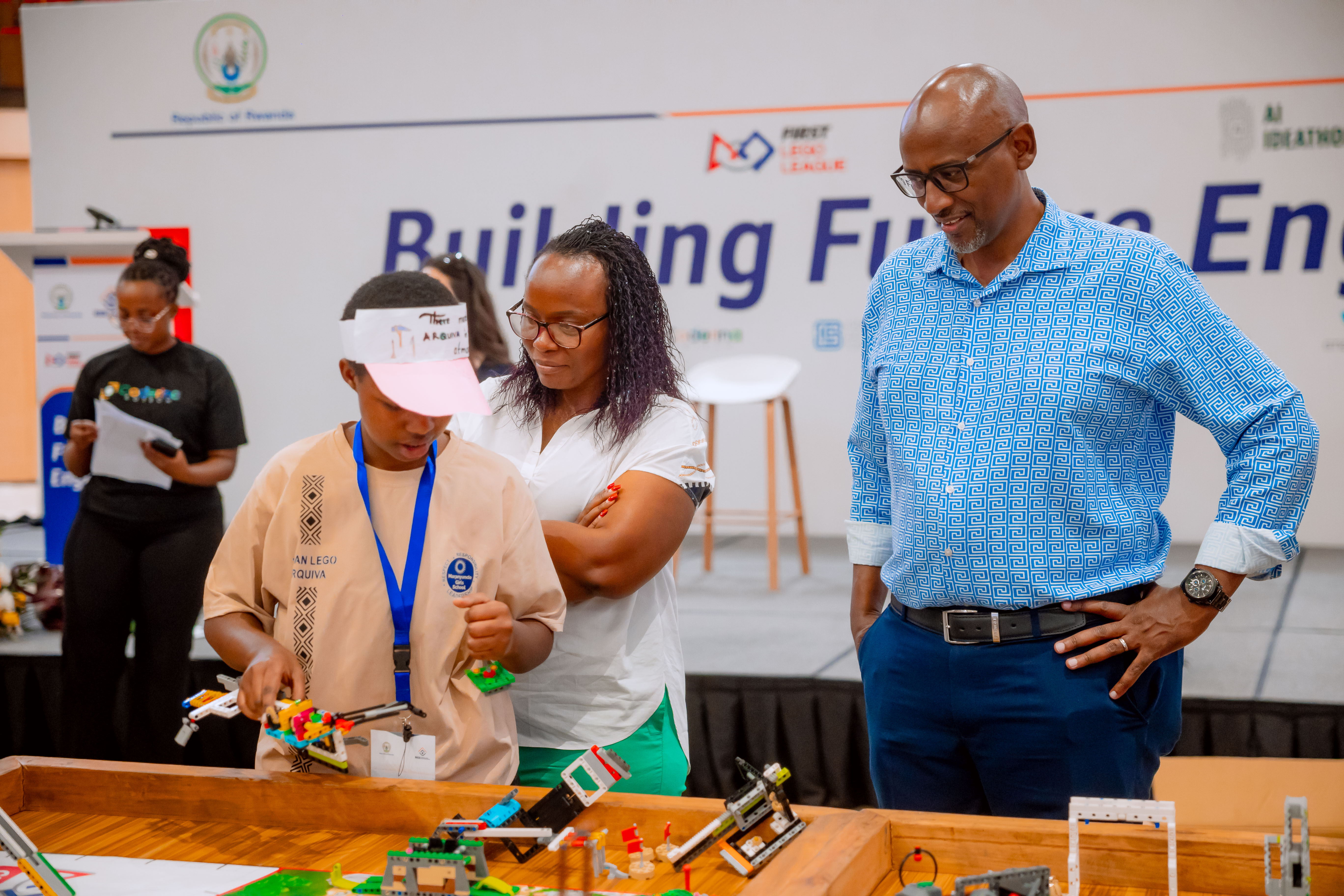
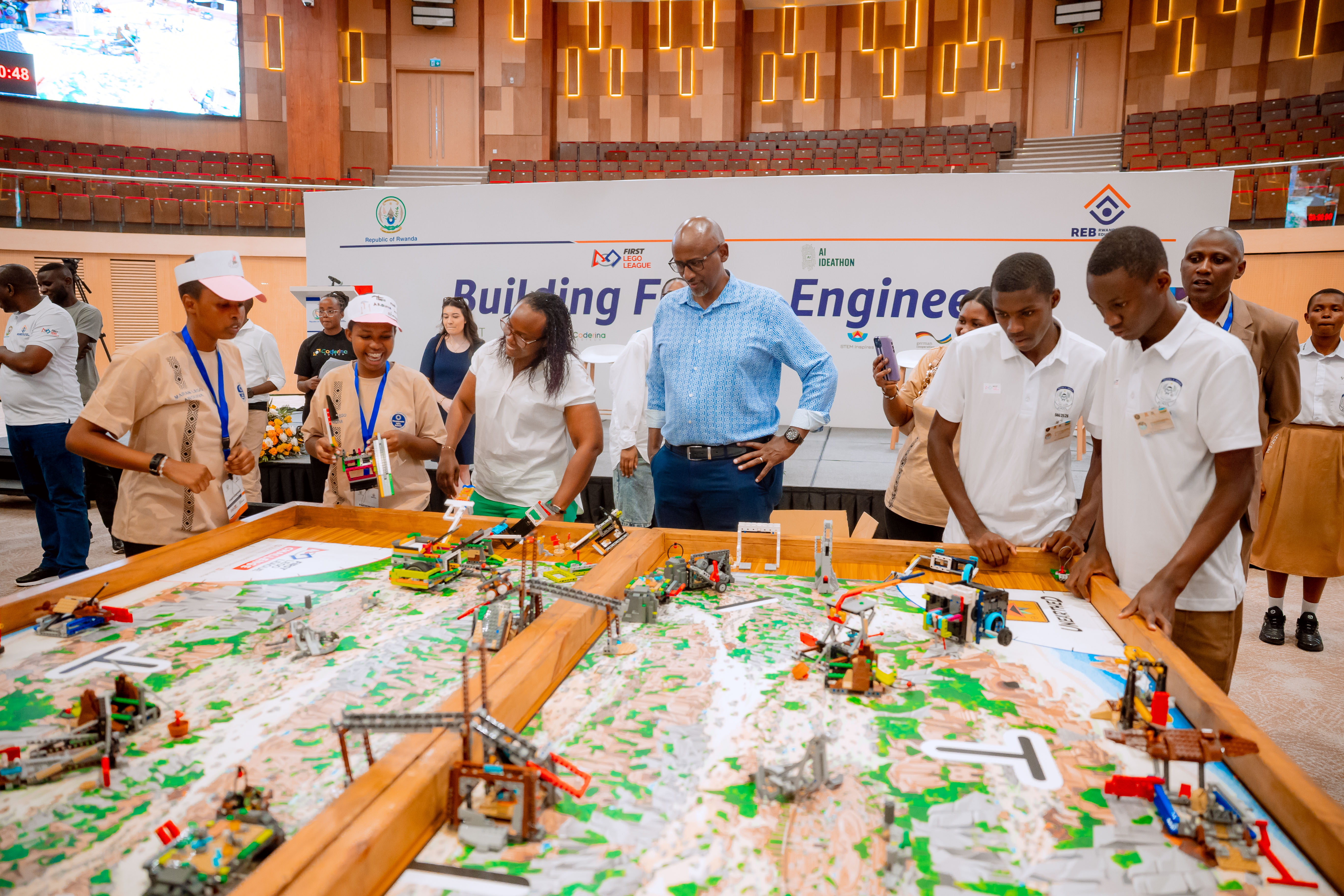
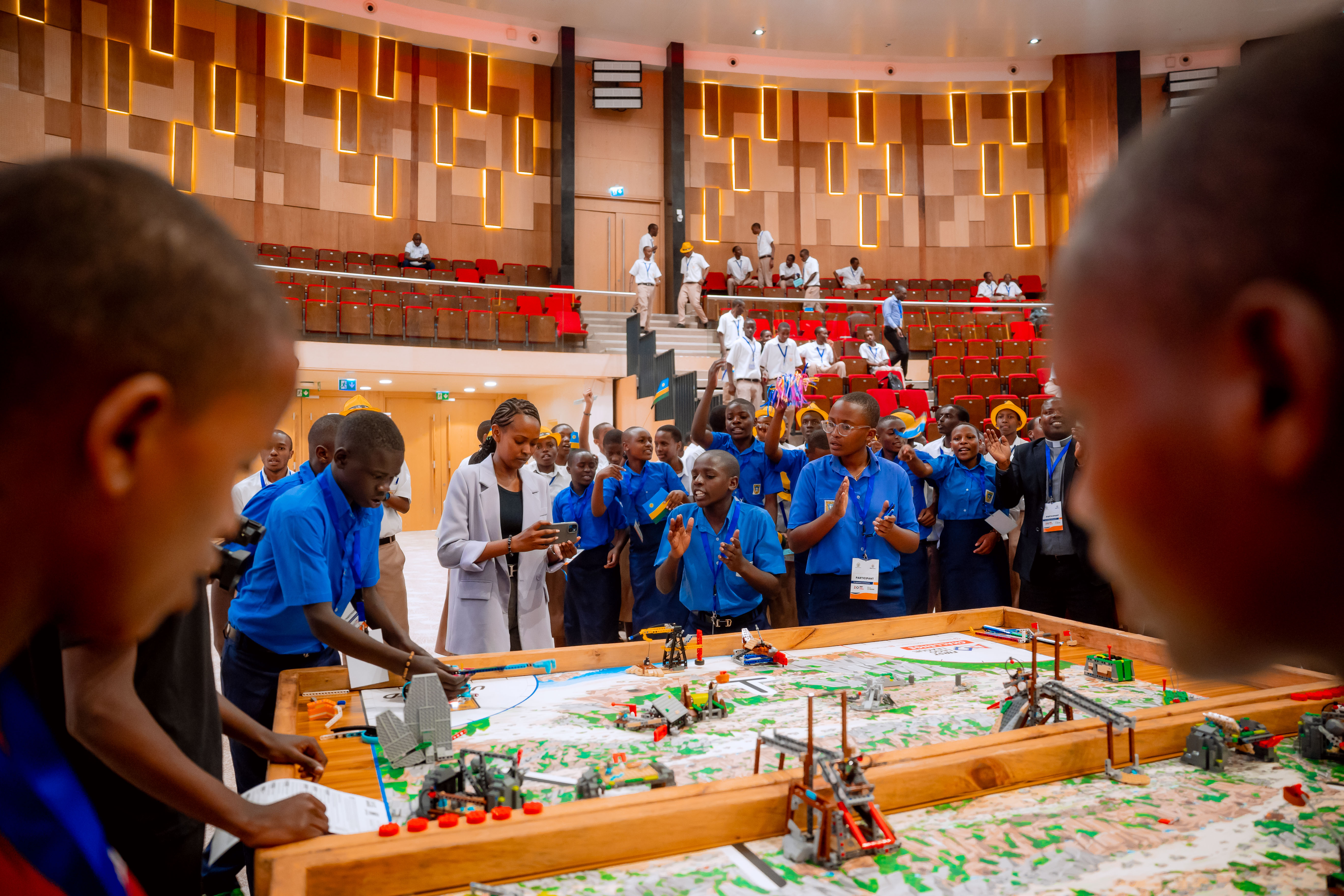
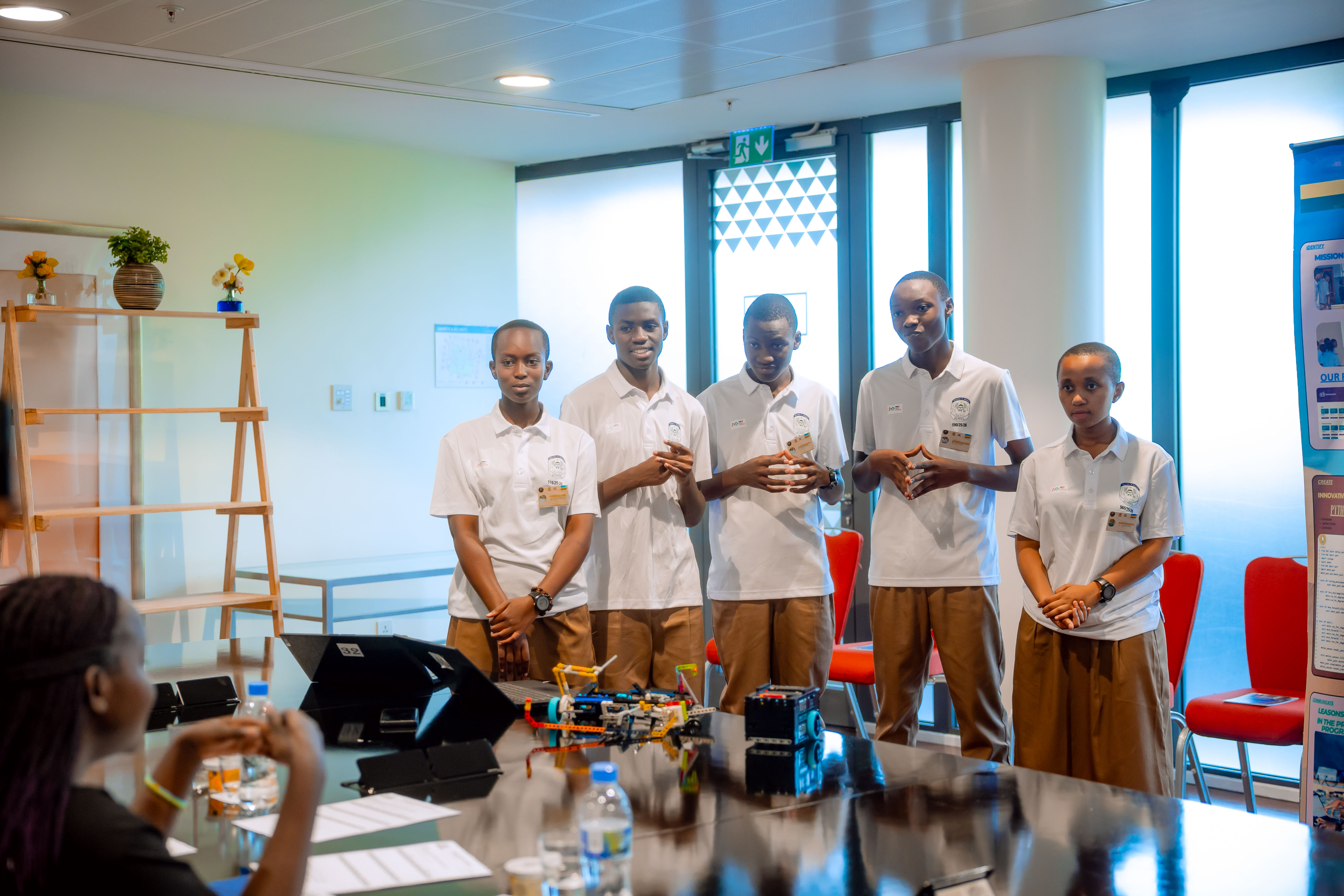
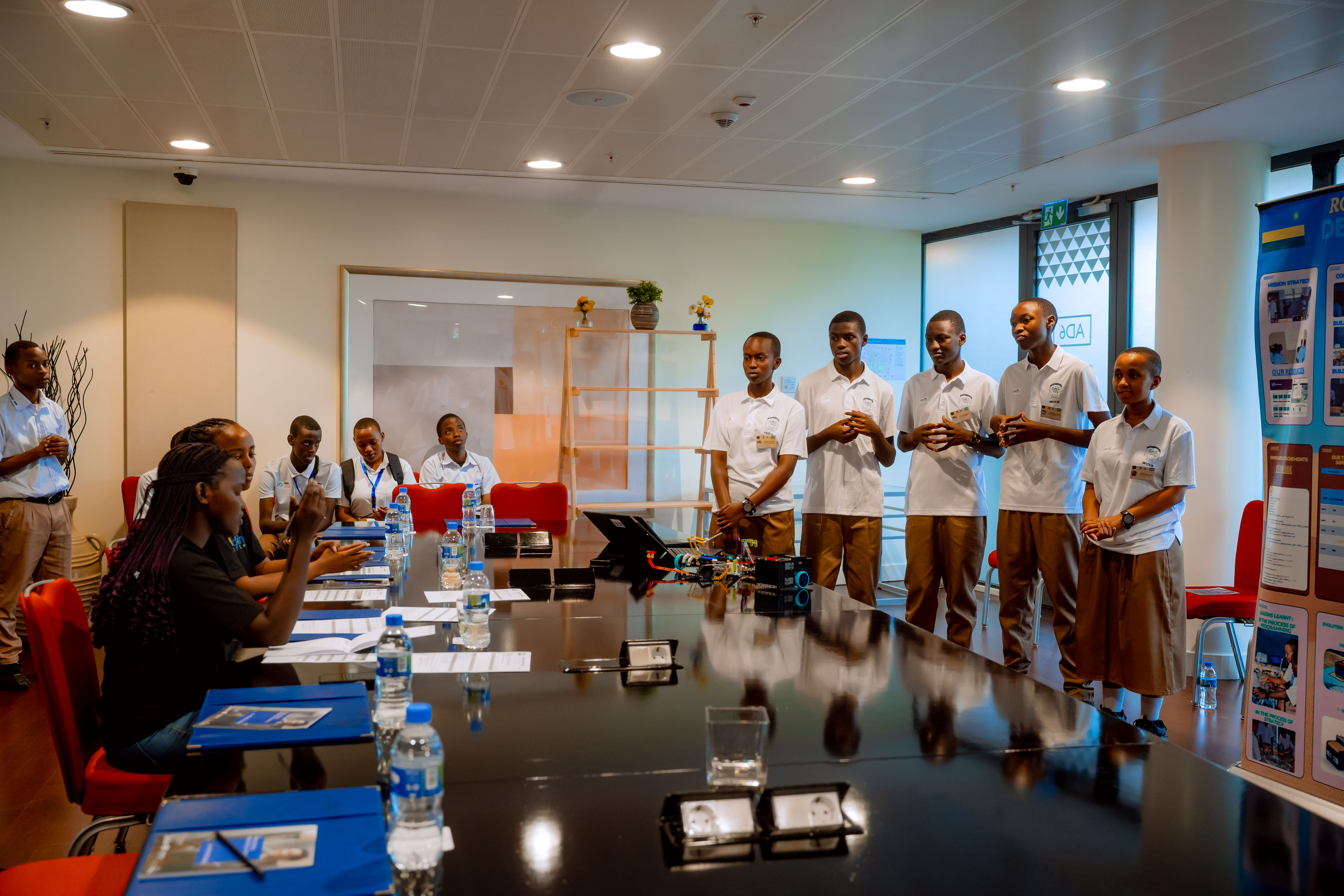
First Lego League (FLL) and AI Ideathon” competition 2026 themed “UNEARTHED” highlighting the Government of Rwanda’s commitment to fostering innovation, STEM learning, and digital literacy among students
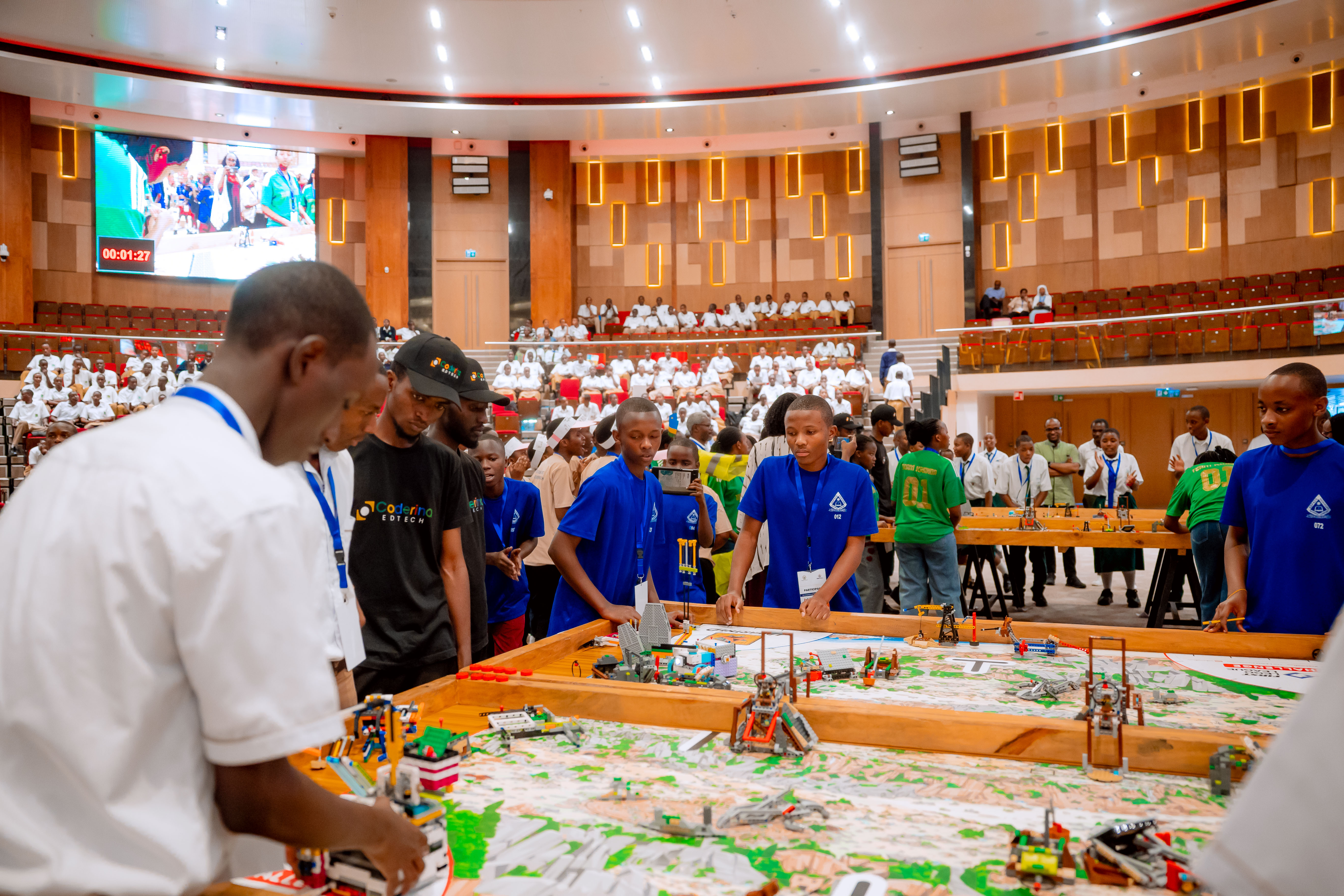
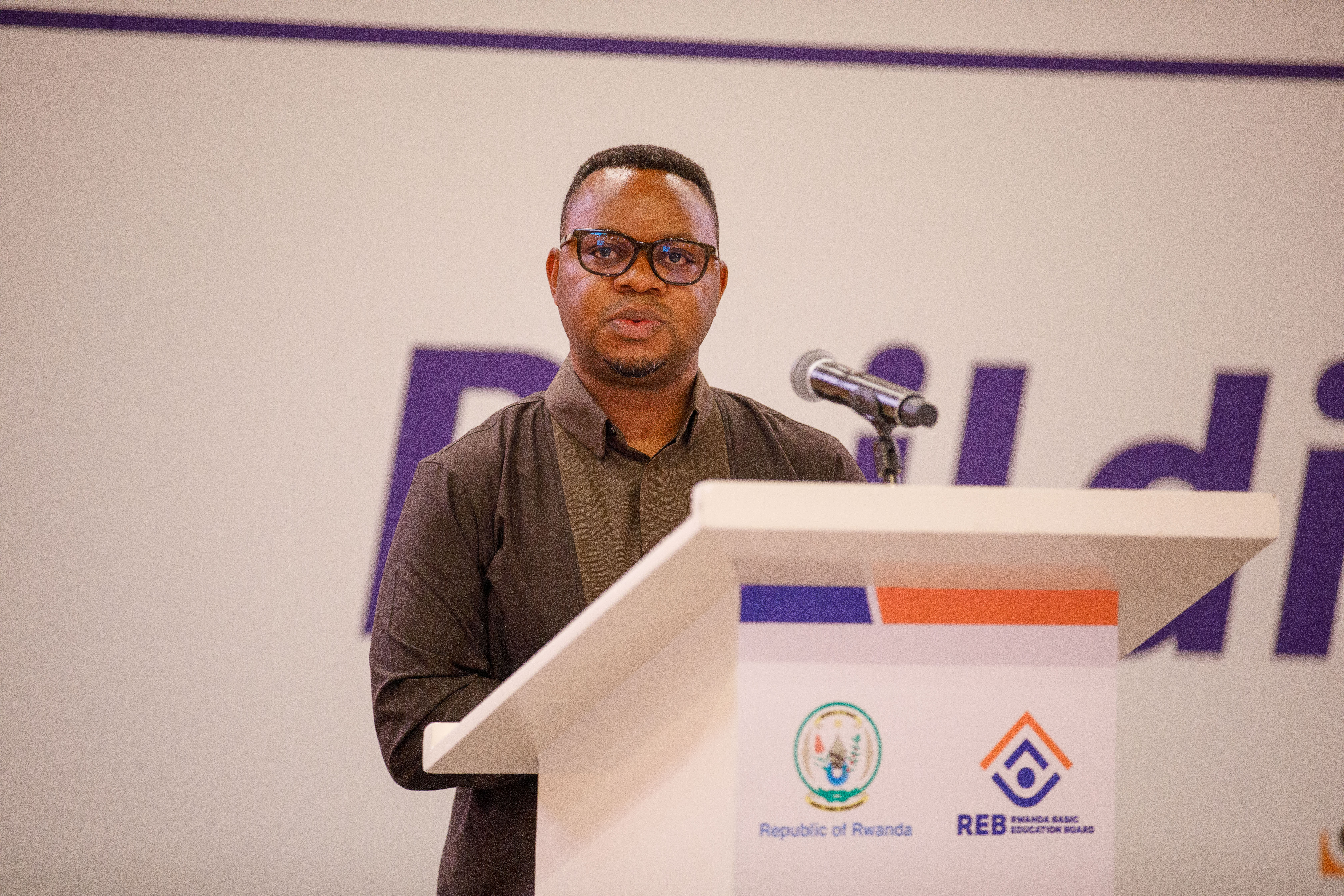
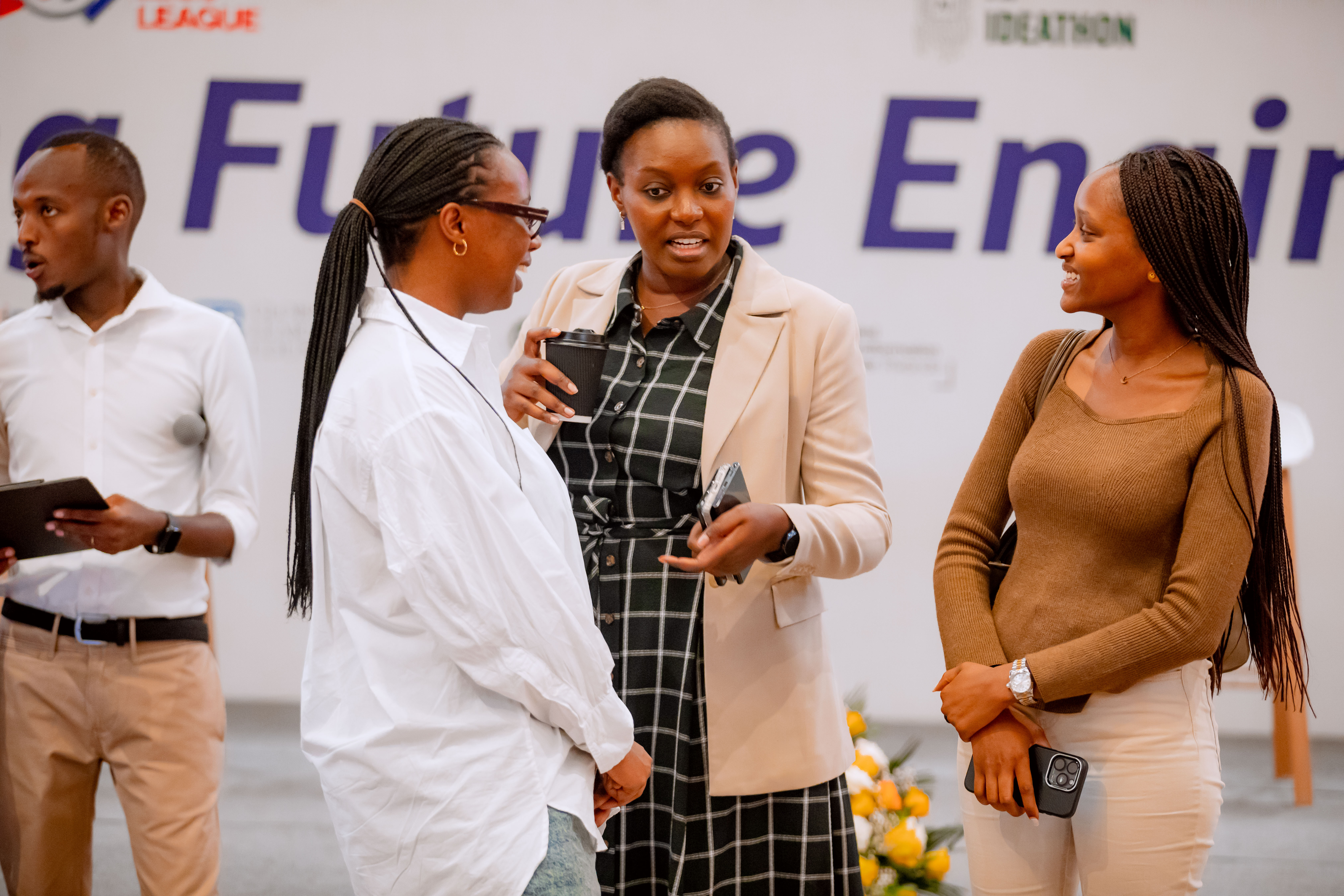
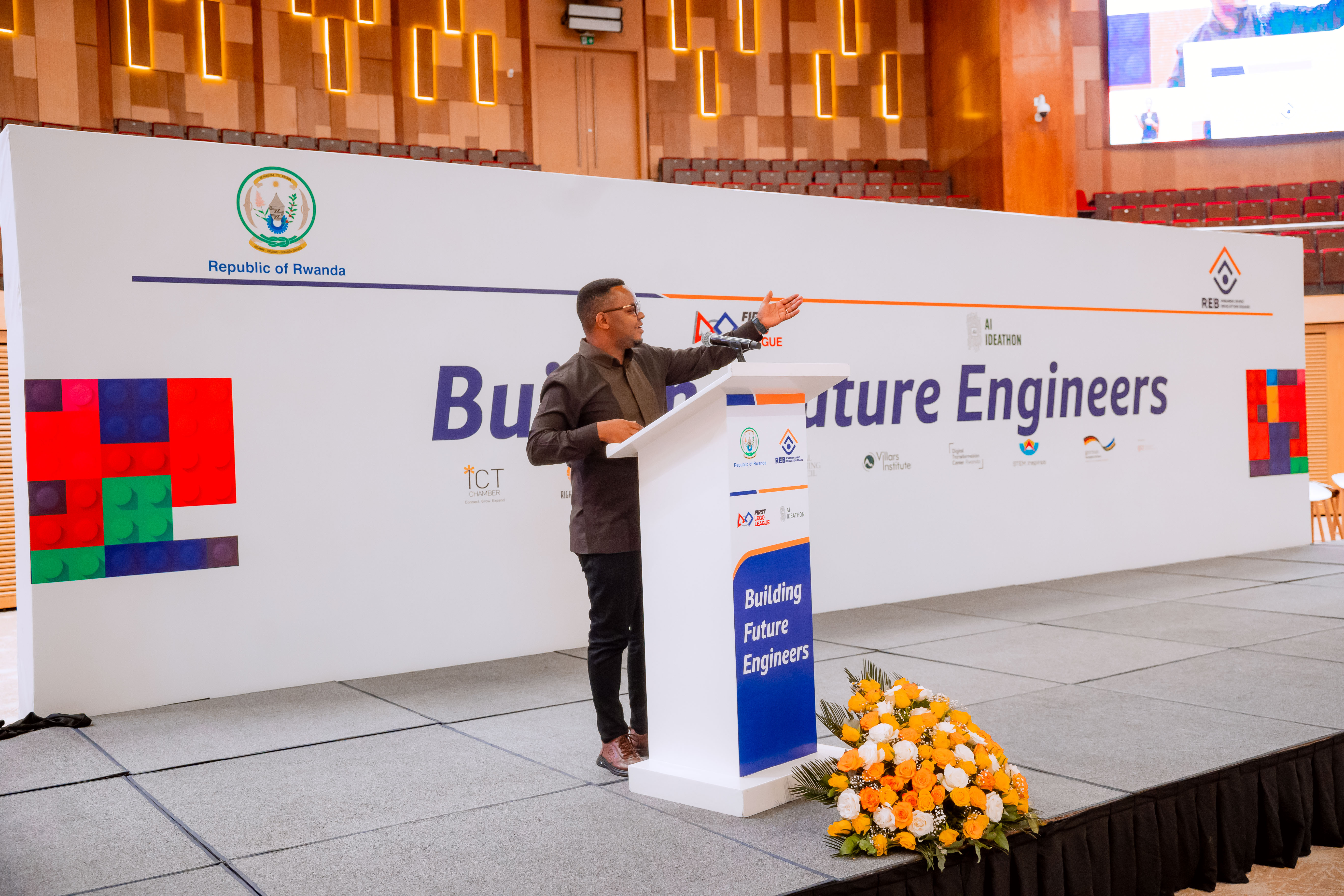
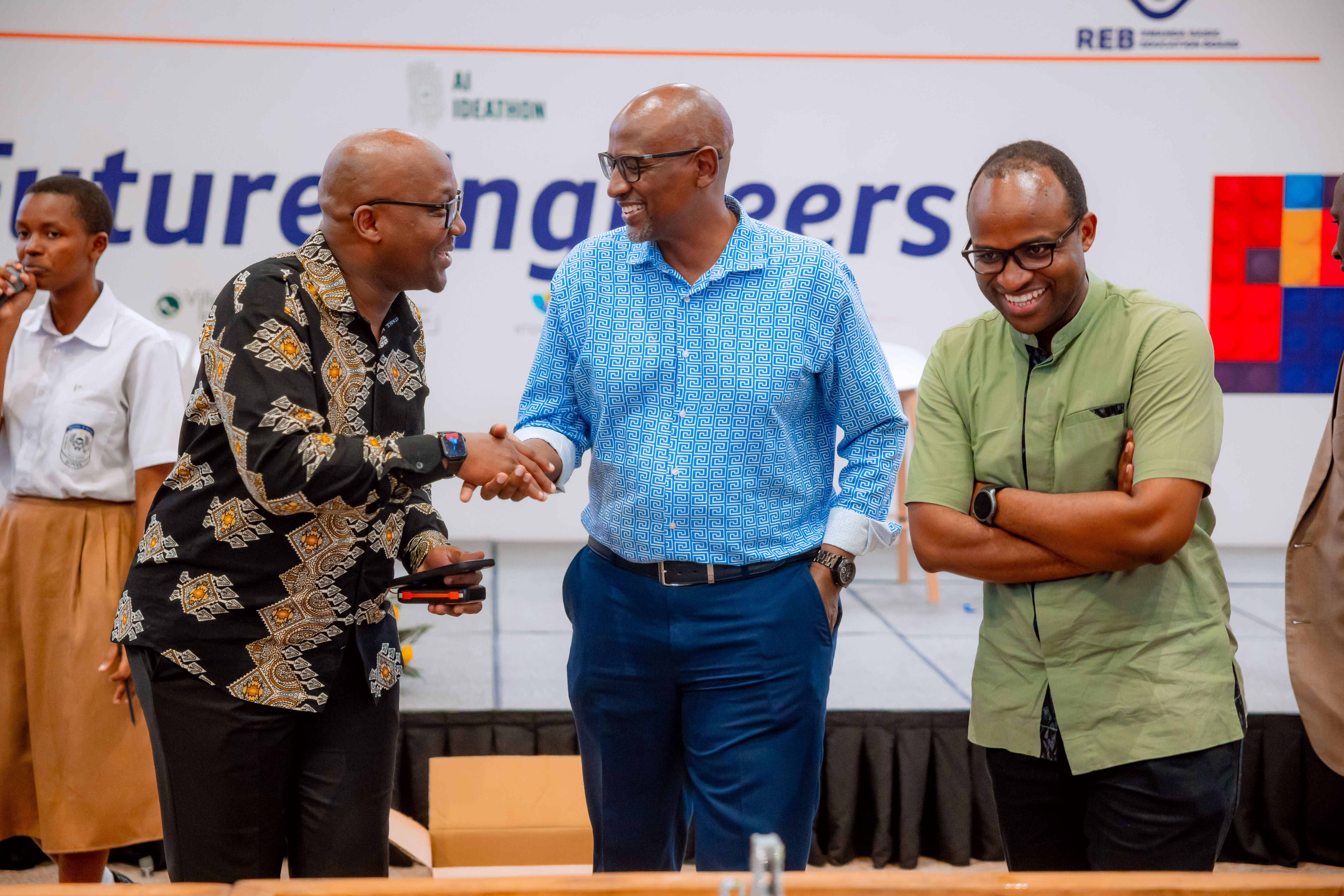
At Kigali Convention Center, on 21 February 2026; Minister of State at the Rwanda Ministry of Education (MINEDUC) Claudette Irere delivered the opening remarks during the Artificial Intelligence (AI) Ideathon 2026 “First Lego League (FLL) and AI Ideathon” competition 2026 themed “UNEARTHED” highlighting the Government of Rwanda’s commitment to fostering innovation, STEM learning, and digital literacy among students. The competiton was organized by the Rwanda Basic Basic Education Board (REB) in partnership with the Ministry of ICT and Innovation, the Global Learning Council (GLC), and the ICT Chamber. First Lego League (FLL) and AI Ideathoncompetition brought together students, REB and MINEDUC staff, coaches, , referees, judges, guests and different partners in education.
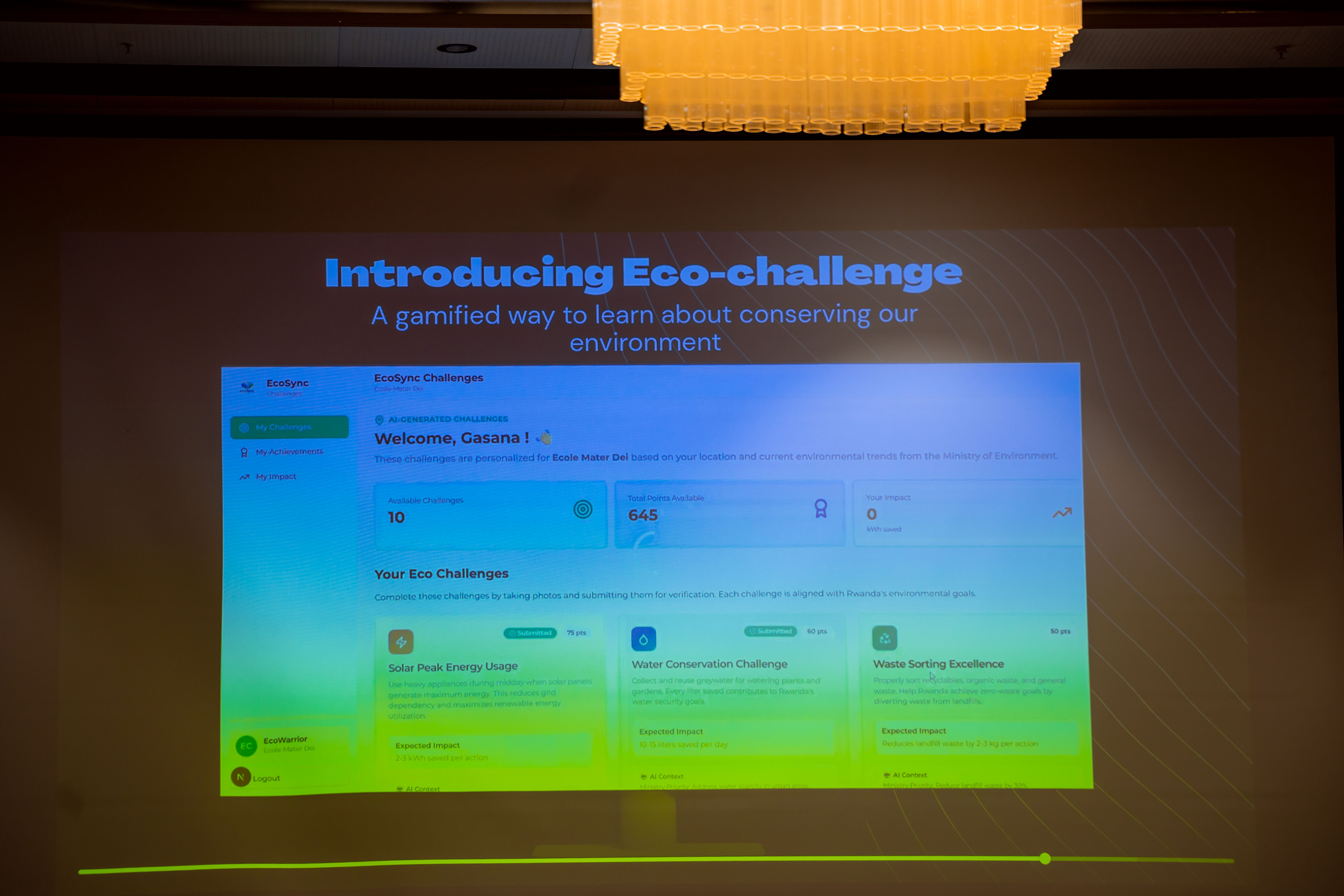
Two strategic initiatives aimed at nurturing Rwanda’s next generation of scientists, engineers, and innovators. The AI Ideathon, held under the theme “Eco-Innovators Challenge,” encouraged students to develop practical AI-driven solutions for sustainability challenges, focusing on Solar Energy, Water Energy, Wind Energy, and Water Segregation, while the First Lego League allowed participants to engage in hands-on learning through building and programming robots to solve real-world problems. The event concluded with closing remarks from the Minister of State at Ministry of ICT and Innovation, Yves Iradukunda, emphasizing the importance of creativity, critical thinking, and responsible use of technology in shaping Rwanda’s knowledge-based economy.
In her opening remarks, Honorable Minister of State at Ministry of Education (MINEDUC) described the event as a celebration of the remarkable talents of Rwandan students and an opportunity to showcase their creativity, technical skills, and innovation.
Minister Irere highlighted that since 2023, these competitions have become key milestones in Rwanda’s education calendar, providing students with a platform to move from theory to practical application. She explained that by designing, building, coding, testing, and presenting real solutions, students strengthen their technical skills and ignite their passion for STEM (Science, Technology, Engineering, and Mathematics) disciplines.
“These events motivate learners, strengthen STEM education in our schools, and connect students to opportunities beyond the classroom,” Honorable Minister of State said. “They cultivate essential competencies for Rwanda’s future; problem-solving, creativity, collaboration, and responsible innovation; preparing learners to become tomorrow’s leaders.”
The Minister emphasized that competitions such as FLL and the AI Ideathon empower students to tackle real-world challenges creatively and collaboratively. As they build and program robots or develop AI solutions, students sharpen their critical thinking, translate learning into practical solutions, and foster an entrepreneurial mindset to meet the demands of a rapidly changing world.
Participants were also challenged to address pressing environmental issues, including waste reduction and energy efficiency. Minister Irere noted that by focusing on sustainability, students develop innovative and socially responsible projects that can create lasting impact for society and the environment.
She spoke directly to the students, reminding them that excellence is not only about technical skills but also about teamwork, effective communication, integrity, and respect. “You belong here, and your curiosity and ideas can create real impact,” Hon. Minister said.
The Minister also acknowledged the efforts of teachers and mentors, praising their leadership and dedication. “Your guidance is evident in every project presented today,” she said, before expressing gratitude to the partners supporting the initiative. “Thank you for investing in the next generation of innovators. Your support strengthens quality education and expands opportunities for our learners.”
Hon. Minister Irere officially opened the National FIRST LEGO League Championship and AI Ideathon 2026, urging every team to demonstrate integrity, responsibility, and a spirit of learning from one another, while wishing all participants a successful and inspiring competition.
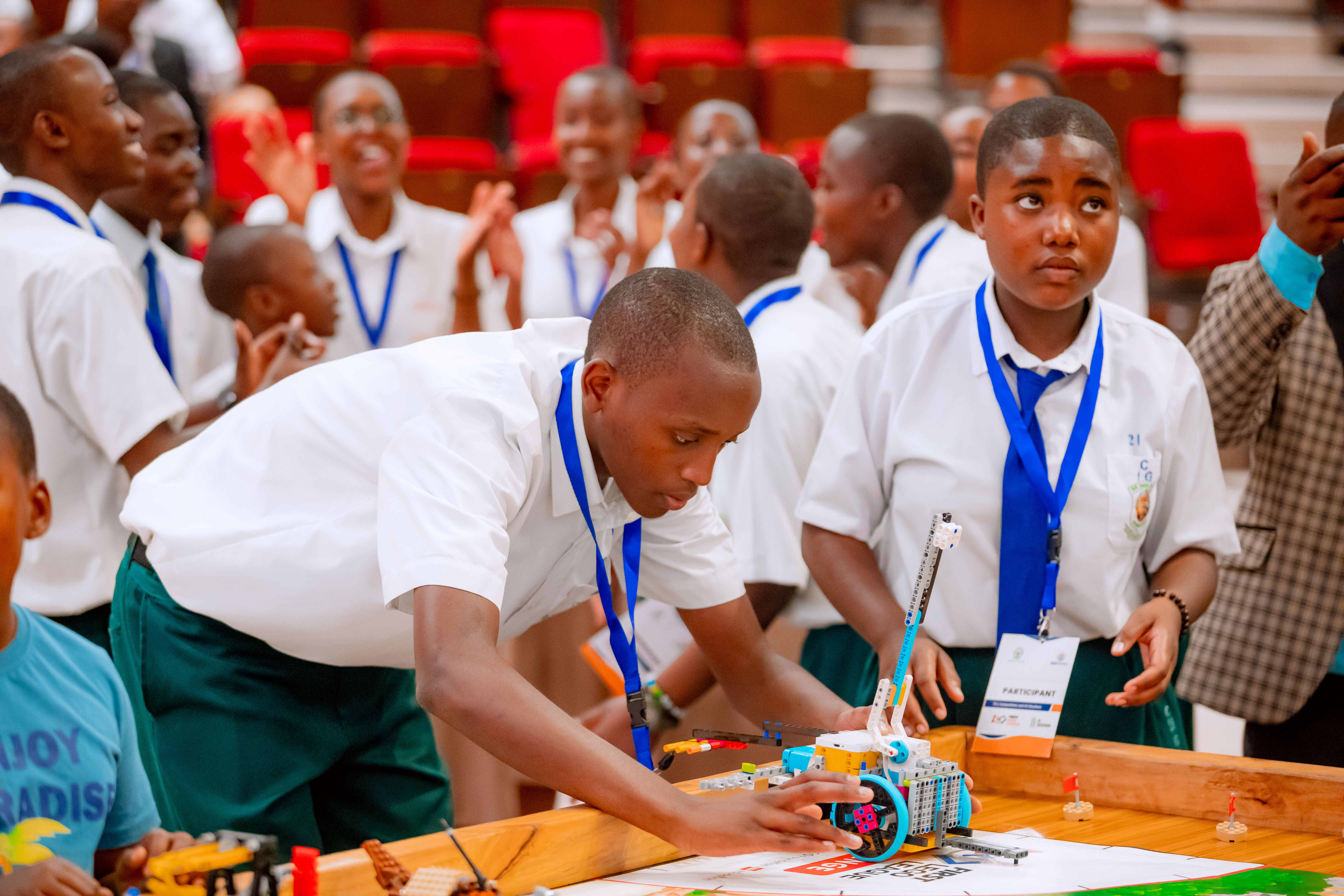
The Robotics Competition, under the “UNEARTHED” theme, challenged students to uncover and solve problems in the field of archaeology and heritage preservation.
Teams designed and programmed robots to complete missions that mirrored real-life societal challenges at Regional Level
The winners included:
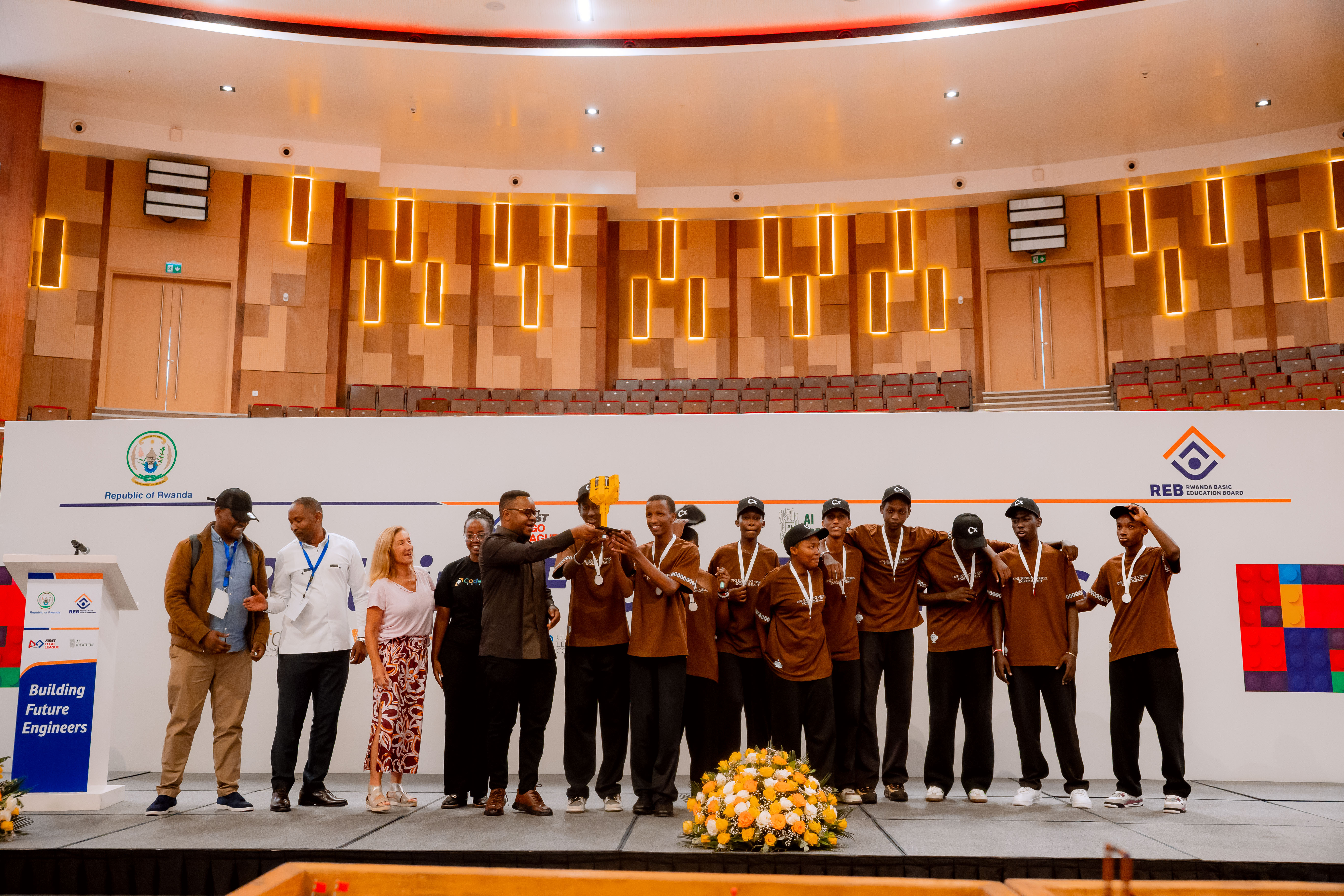
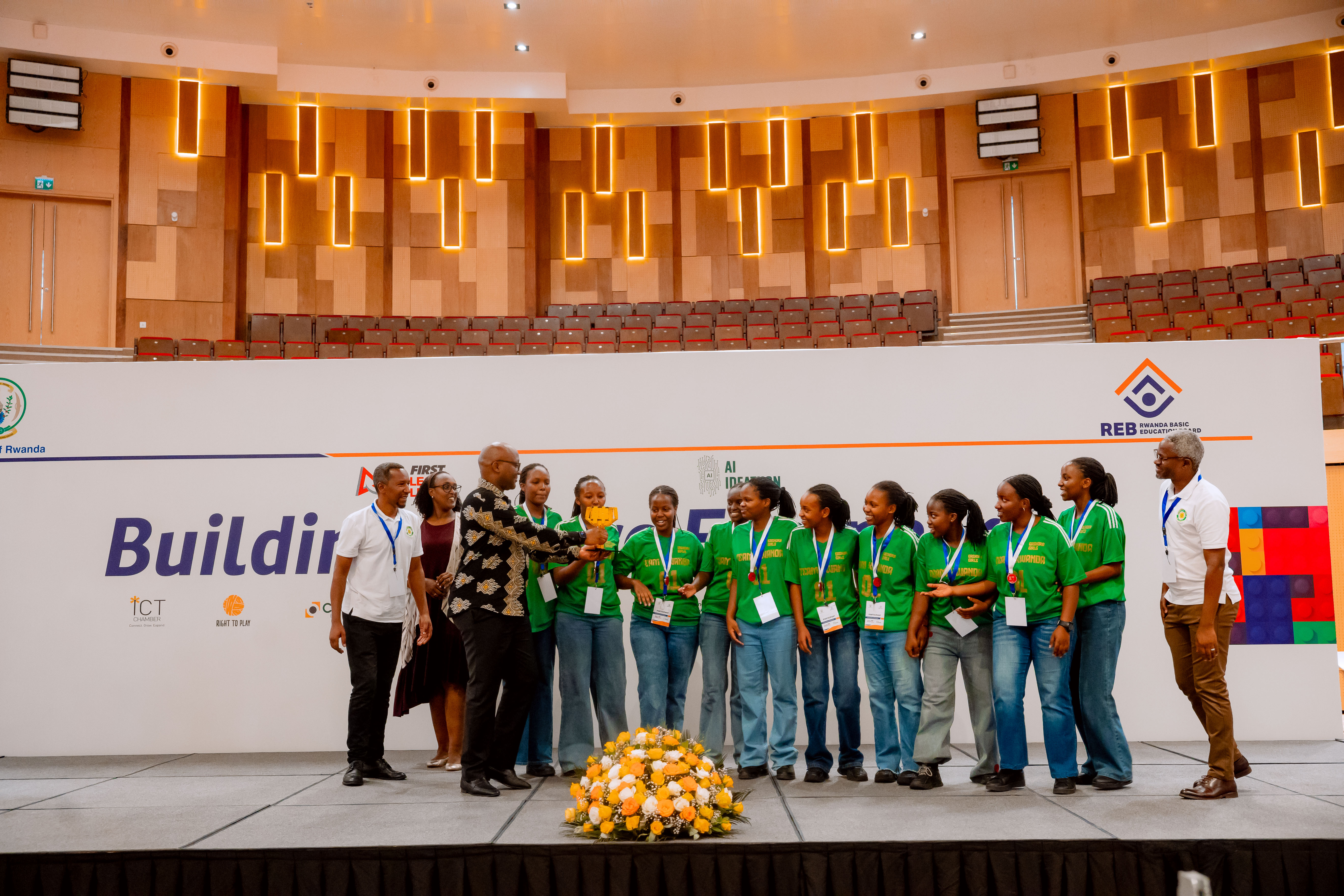
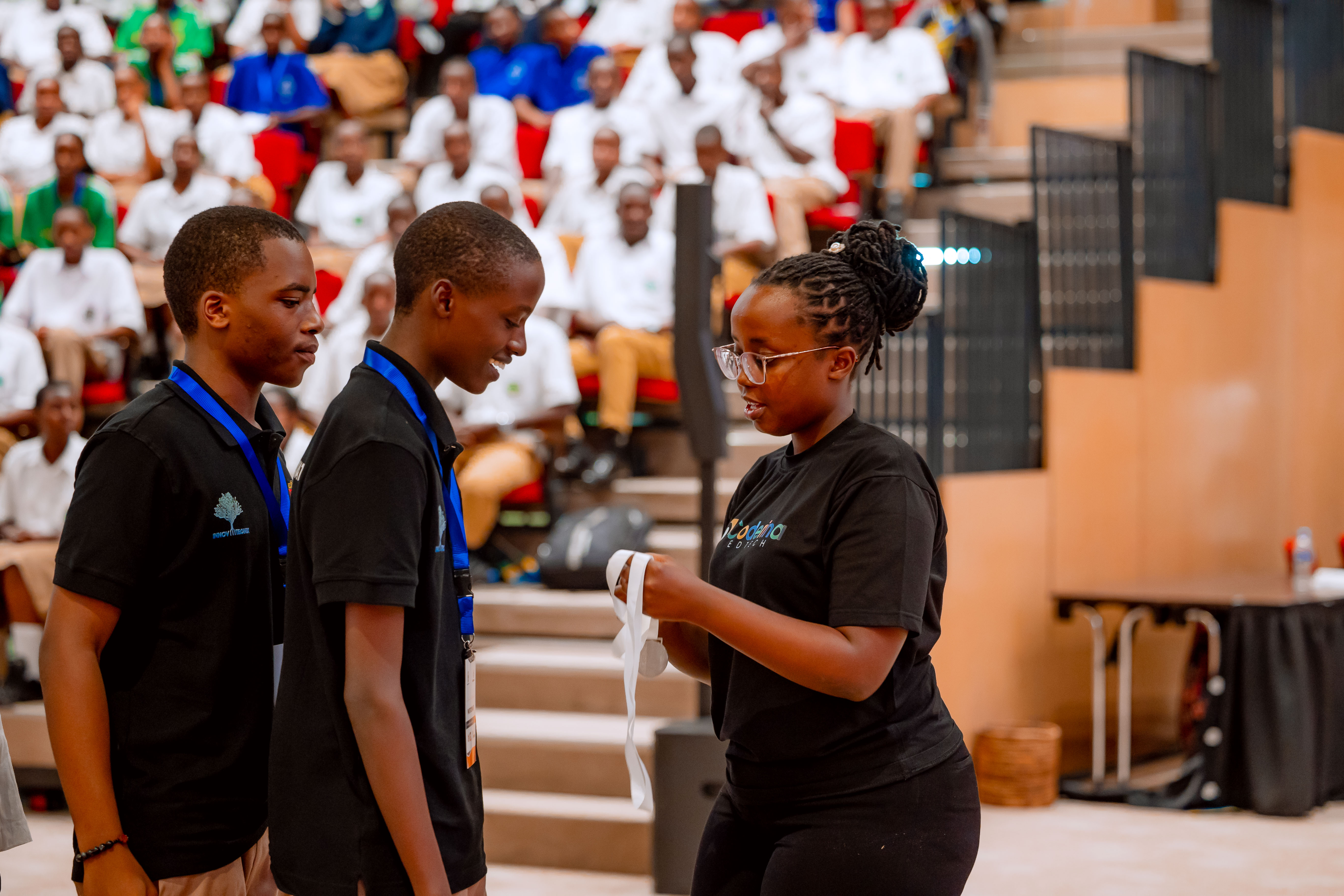
Hope Haven Christian Secondary School came the first, recognized for their exceptional robotics skills, teamwork, and ability to solve complex challenges effectively.
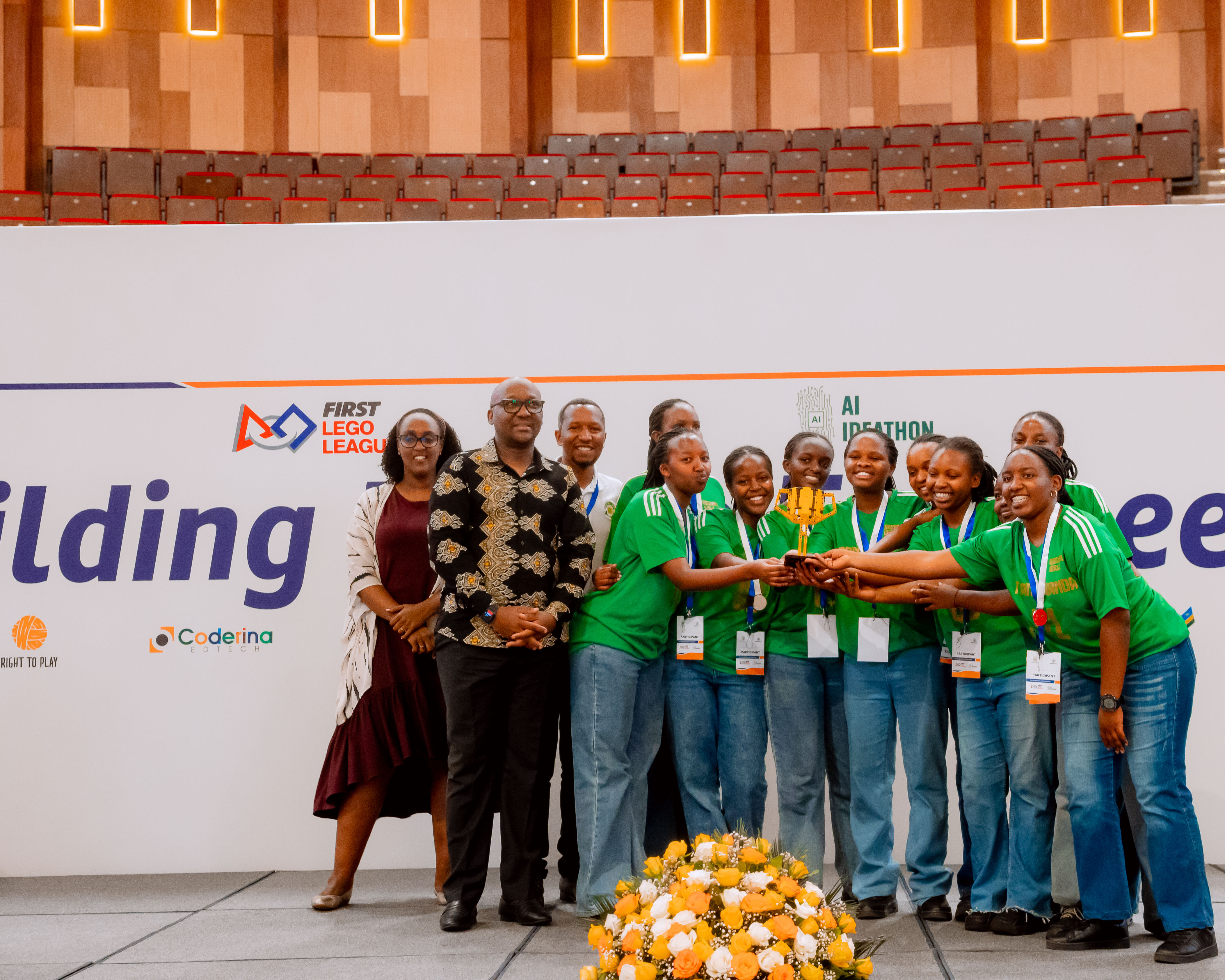
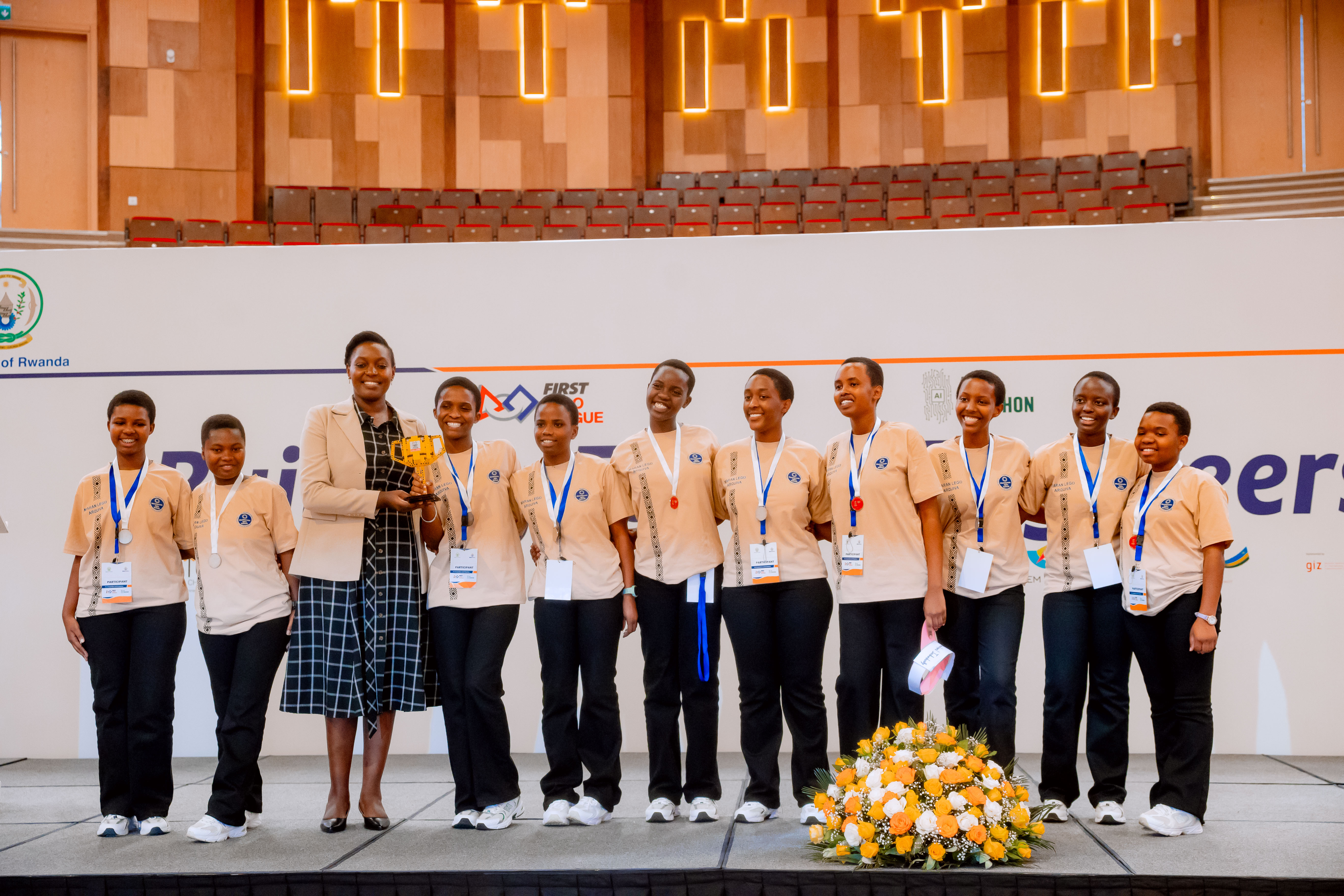
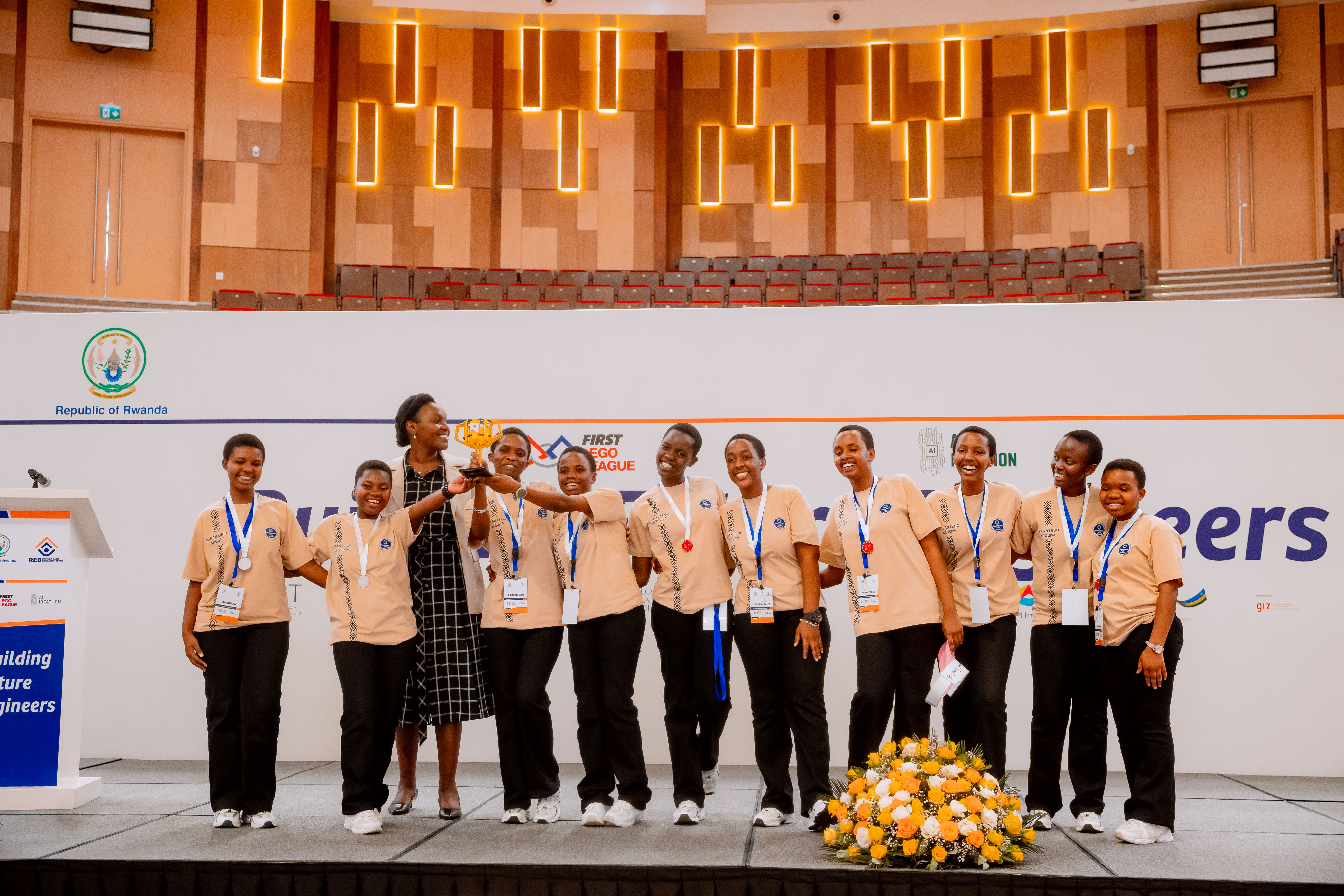
Maranyundo Girls School marked the second place, demonstrating innovative robot design, strategic programming, and technical expertise.
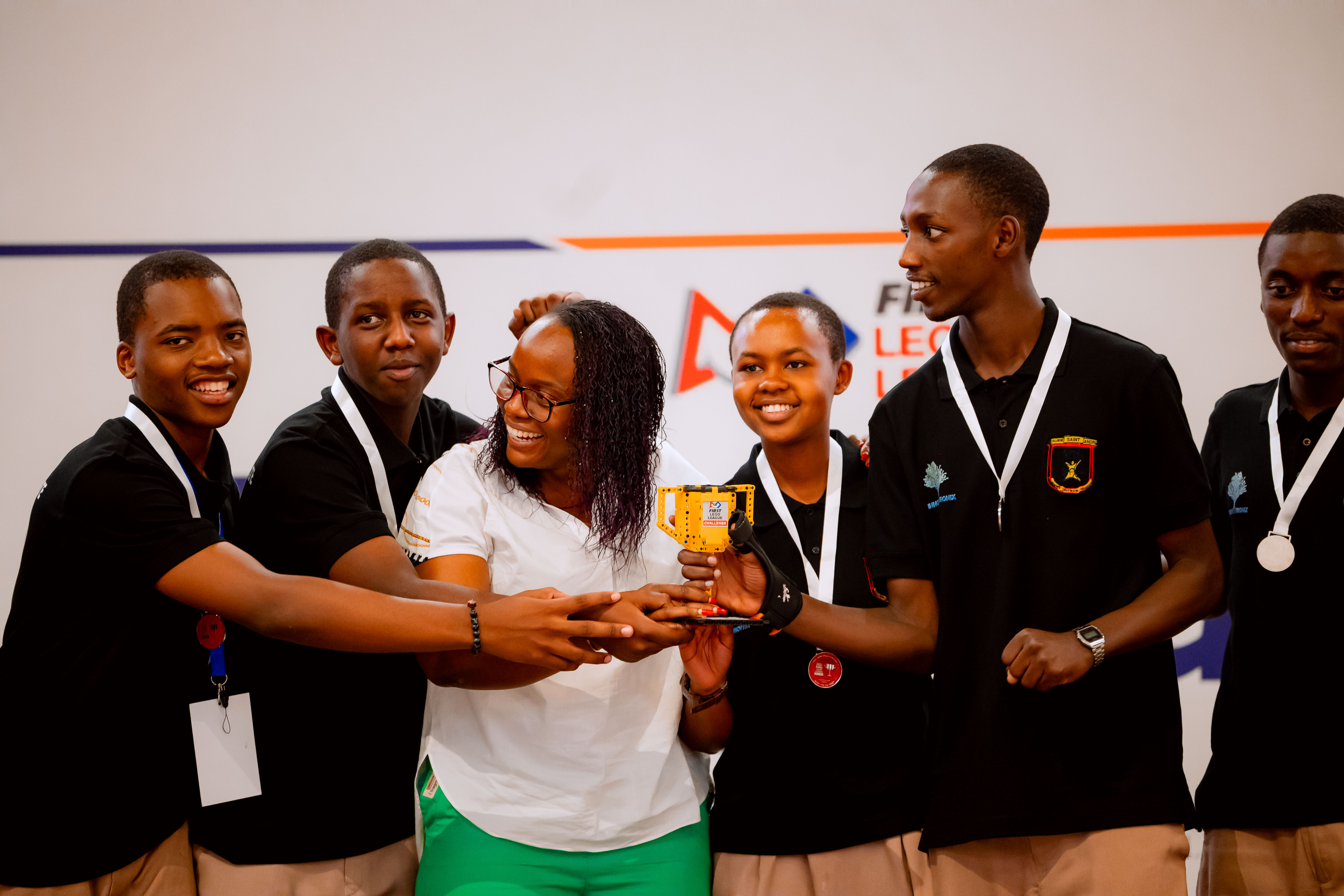
ES Stella Matutina came the third, showcasing strong collaboration, problem-solving skills, and technical precision in executing their robotic missions.
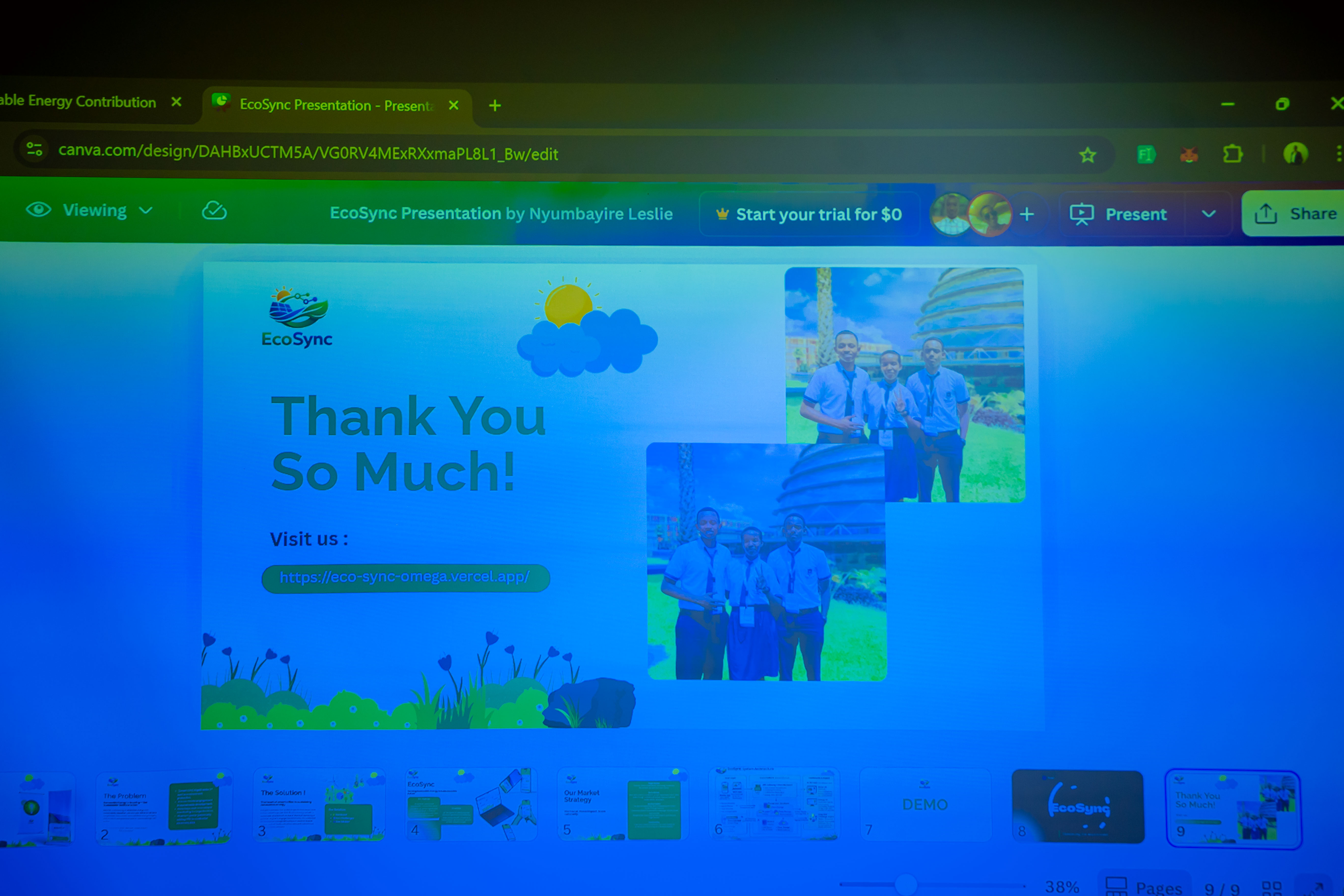
In the AI Ideathon, participants were tasked with applying artificial intelligence to develop solutions for renewable energy challenges, promoting sustainability and practical innovation. The top teams demonstrated exceptional technical skill, creativity, and social responsibility:
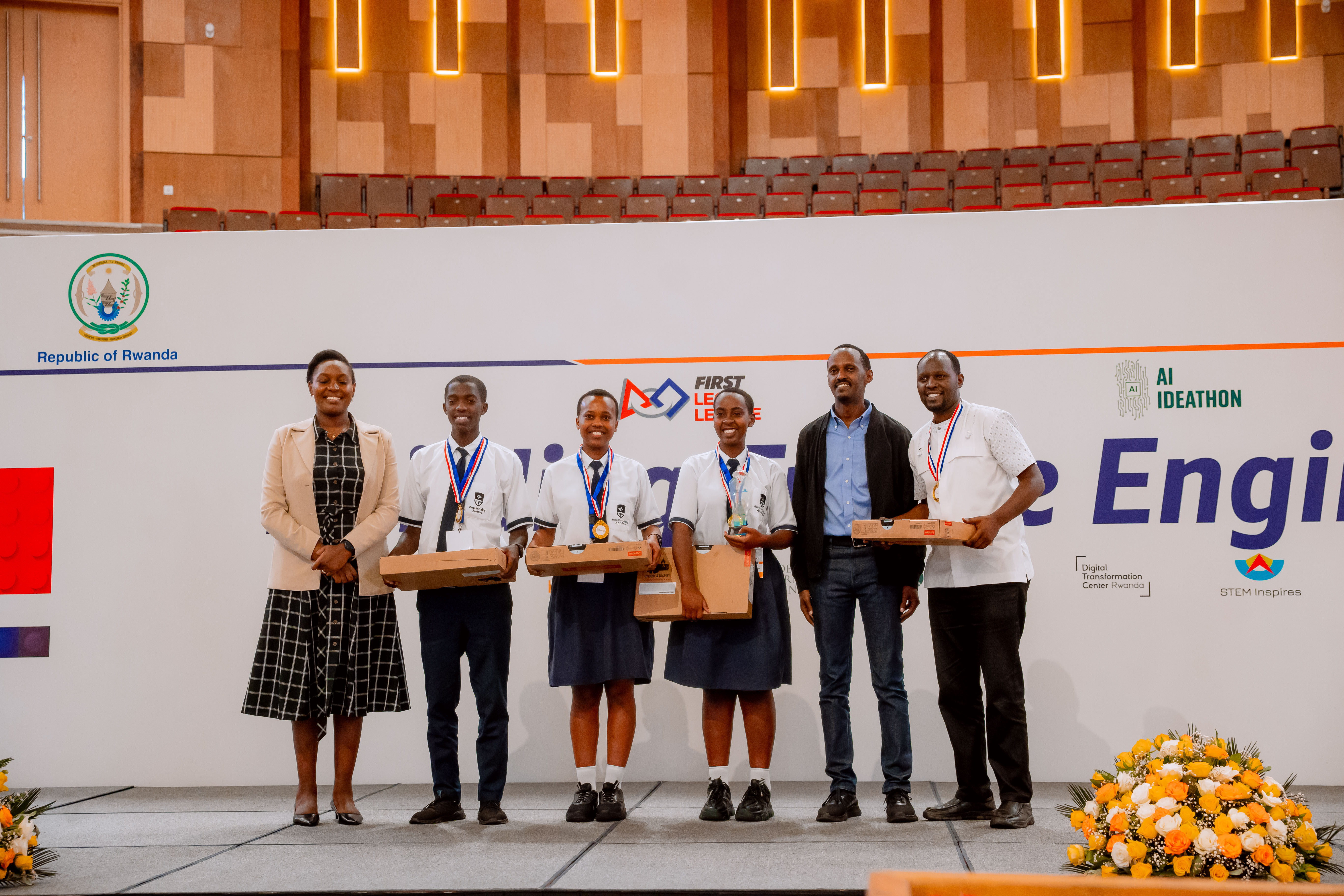
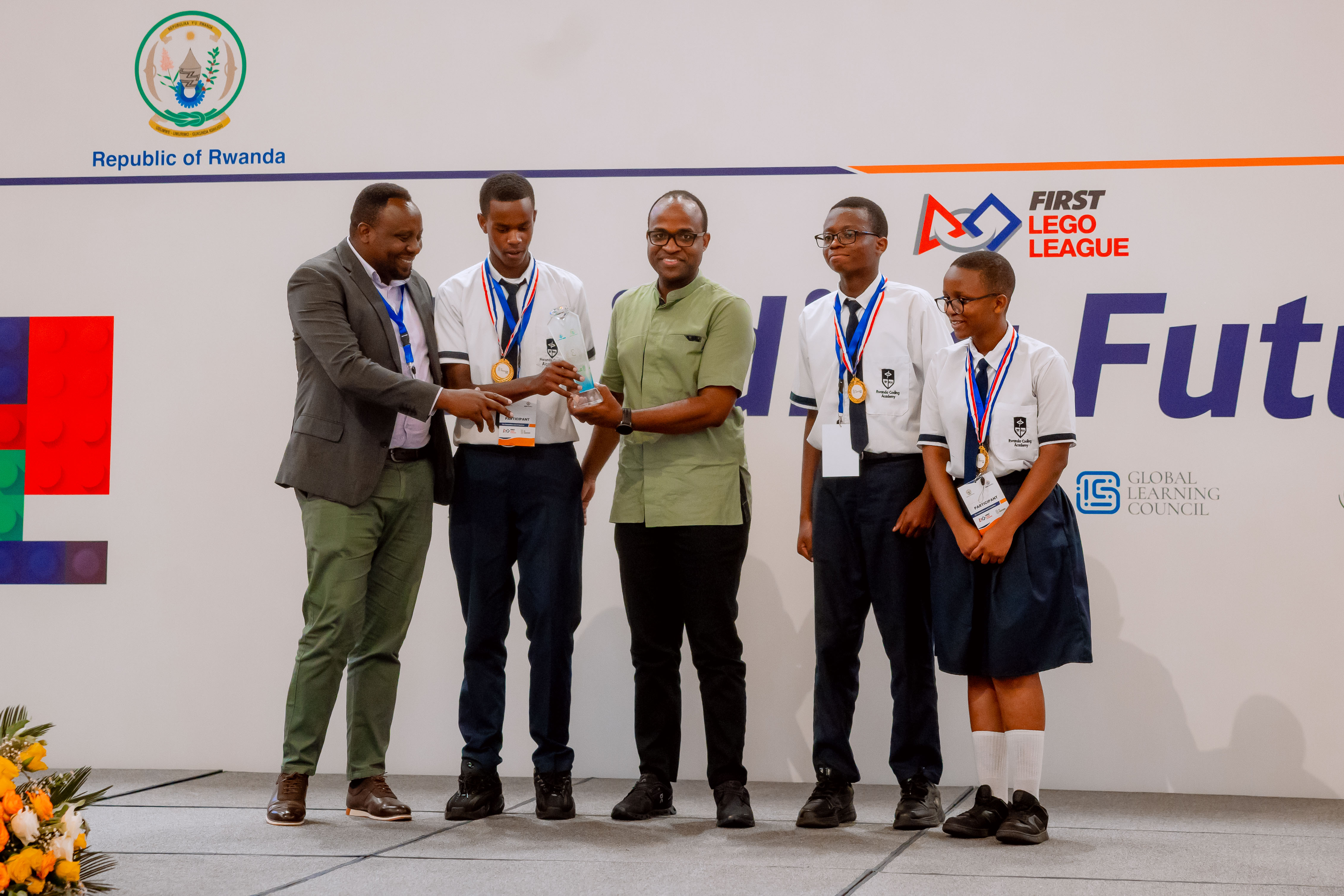
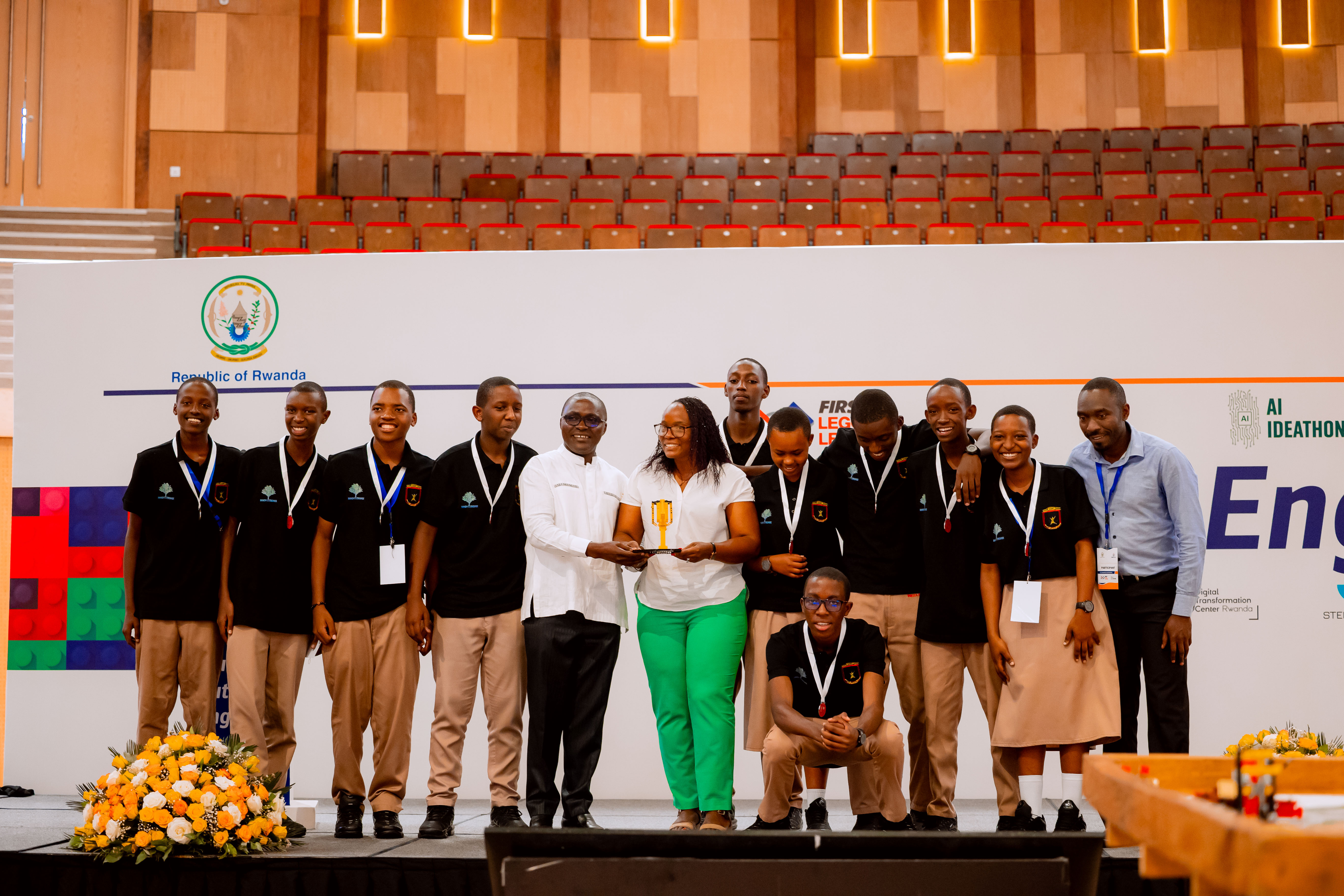
The project “Aquaflow”, presented by a student team from Rwanda Coding Academy, claimed the overall winner title, impressing judges with its innovative focus on water sustainability, using AI to tackle pressing environmental challenges.
The “Solsense” project, designed by students from College de Gisenyi Inyemeramihigo, earned second place, offering a creative renewable energy solution that highlighted energy efficiency and environmental responsibility.
The “Ecoloop” project, also from Rwanda Coding Academy, secured third place, showcasing a sustainability initiative that combined AI with tangible community impact, emphasizing practical applications in real-world contexts.
These competitions provide a platform for students to translate learning into action, develop critical STEM skills, and tackle real-world problems creatively. By combining logic, teamwork, and innovation, participants are preparing to become Rwanda’s next generation of engineers, scientists, and innovators.
“When you build a Lego robot, or code AI to solve a problem, it is not just about the pieces or the code; it is about logic, perseverance, and the willingness to try, fail, and try again.”
To conclude the event, Honorable Minister of State for the Ministry of ICT and Innovation Yves IRADUKUNDA emphasized that the day was not just about competition, but about showcasing what young Rwandans are capable of achieving when given the right support and opportunities. “What we have seen today is courage combined with curiosity; the desire to understand, to build, and to solve problems using technology,” the Minister said, highlighting the role of robotics and AI in helping students translate learning into practical solutions.
The Minister reminded students that the competitions built more than technical skills. They cultivated resilience, critical thinking, teamwork, and creativity, encouraging learners to persist through challenges and approach problems with innovative solutions. “When you build a Lego robot, or code AI to solve a problem, it is not just about the pieces or the code; it is about logic, perseverance, and the willingness to try, fail, and try again,” the Minister explained.
Programs such as “1,000,000 Coders” were also cited as part of Rwanda’s broader strategy to nurture a generation of problem solvers, critical thinkers, and responsible technology users. The Minister reinforced that every student in the room was already a winner, having embraced the opportunity to learn and innovate.
Teachers and mentors received special recognition for their guidance, without which the achievements of the students would not have been possible. “We celebrate the teachers who have been mentors and coaches throughout this journey. Their dedication is evident in every project presented today,” the Minister noted.
Looking ahead, the Minister encouraged students to continue cultivating ambition and innovation. He assured that the Ministry of ICT and Innovation, together with partners including the Ministry of Education, Rwanda Basic Education Board, TVET Board, Right To Play, Coderina, and many others; would continue to support and expand these competitions to reach even more schools in the years to come.
Ethics and responsible use of technology were highlighted as crucial components of innovation. The Minister urged students to uphold their values while exploring AI and other technological tools, ensuring that the solutions created were both impactful and responsible.
Concluding the address, the Minister reiterated his congratulations to the students, teachers, schools, and partners for a successful and energizing day. “Together, we will use technology to build our country and succeed as a high-technology, innovation-driven nation,” he affirmed, sending students off with encouragement, confidence, and inspiration to continue pursuing STEM excellence.
A special message was delivered to the participants
Amelia Wyler, Founder of STEM Inspires and the visionary behind the introduction of FIRST LEGO League robotics teams in Rwanda; though unable to attend the championship in person, she addressed students, partners, and organizers with heartfelt words of encouragement and pride.
“I'm so sad that I'm not able to be there in person right now watching this championship live. It's been a long-time dream to see it at the Kigali Convention Center, so I can't wait to see all the videos and photos that everyone will be sending me. I'm going to be watching the live stream right now, probably as you guys watch this, but until I can come back in person; which will be next year; I'm going to have to work with this virtual format, so we have that for now.
For those of you who don't know me, my name is Amelia Wyler. I'm the founder of STEM Inspires, which came up with this dream to have robotics teams in Rwanda about four years ago. I was 16 and moved to Rwanda, started emailing a bunch of schools and potential partners, and we got support to start 35 teams. Thanks to Corina and a few of other partners that we had met at the very beginning of this endeavor. So it started small, and every year since we have grown, which is very exciting, thanks to partners like Karina, of course, and then all of the government partners that are here and present today.
So, I'm glad to thank the Ministry od Education, the Rwanda Basic Education Board, Ministry of ICT and Innovation, and many others that have helped keep this program sustainable and help keep investing in you guys. I want you to take a second to think about how many resources have been invested in you because this program is not cheap, and it certainly does take a lot of time and energy to organize. But it's 1000% worth it because all of you are going to be the next generation of innovators, thinkers, and problem solvers, and that's what we're really investing in.
You guys are going to be the next ones who are solving the problems that are facing this country and outside of this country as well, and I want you to start thinking like that now. Because the second you mentor that problem-solving mentality, that engineering mentality; which FIRST LEGO League really exemplifies in its structured curriculum; the sooner you can start building things that will be helpful for your country and for everyone around here and globally. I cannot wait to see what all of you guys create.
The FIRST LEGO League program is close to my heart, and I am so, so thankful that everyone in this room; all of the partners, the students, the volunteers, and the student ambassadors; have helped keep this program going.
I cannot wait to see where it is two years from now, ten years from now, multiple decades from now. I really hope it's continuing. So thank you so much to everyone who has helped keep this program going, and I can't wait to see where the program goes, but also the students who have gone through the FIRST program.”
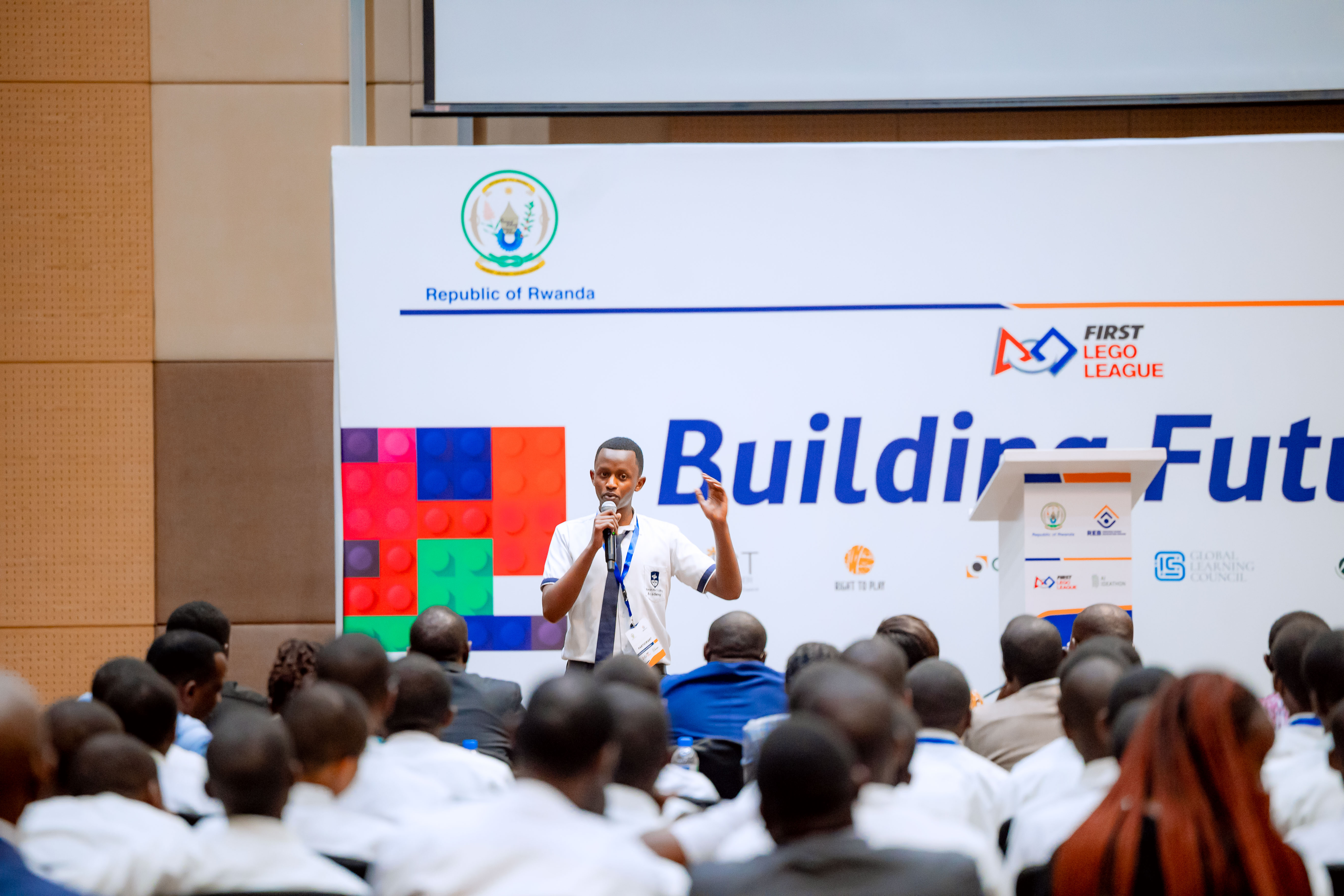
First Lego League and AI Ideathon Grand Finale Sparks Innovation and Insight Through from Students’ Panel Discussions
During the First Lego League (FLL) Championship and AI Ideathon Grand Finale, students from different teams gathered to showcase their creativity, problem-solving abilities, and technological innovation. The discussion provided participants with an opportunity to explore practical experiences, emerging trends, and the role of collaboration in shaping the next generation of problem solvers. It encouraged meaningful dialogue and inspired students to think critically about their role in advancing technology and sustainable development.
Students shared insights about the personal impact of these competitions. One noted, “FLL taught me that problems are opportunities. Every challenge we faced made us think differently, create solutions, and push our limits. Innovation starts with curiosity.” Another explained, “Working on a robot and solving missions showed me that teamwork is the key to success. Alone you can do little, but together we can change the world.”
A panelist reflected, “I learned to fail, try again, and never give up. FLL showed me that resilience and persistence are as important as skills or knowledge.” Another observed, “Before FLL, I thought learning was only for exams. Now I know that learning can be for action, for creating solutions that make a difference in society.”
The competitions also encourage innovation and social responsibility. Students reported that through the AI Ideathon, they understood their role in solving meaningful problems: “AI and robotics are tools, but teamwork, creativity, and critical thinking are what make them powerful. FLL taught me how to combine them to solve real-life challenges,” a panelist explained. Another added, “The Innovation Project opened my eyes: technology is not just for fun; it can solve real problems in our schools, communities, and even globally. That’s the power of creativity.”
Inclusivity and empowerment were also emphasized, with students encouraging their peers to participate: “I discovered that every student has the potential to innovate. You don’t need to wait until you’re older; the future can be built by us, starting today,” a student panelist said. Another encouraged hesitant students, “If you’re afraid to join FLL, take the first step. It’s not about what you already know, but what you are willing to learn and create. The possibilities are endless.”
The panel discussion concluded with a reminder that the competitions are not just about winning; they are about learning, having fun, and discovering one’s potential. One student summarized it perfectly: “FLL showed me that fun and learning go hand in hand. You can enjoy building, experimenting, and competing while gaining skills that last a lifetime.”
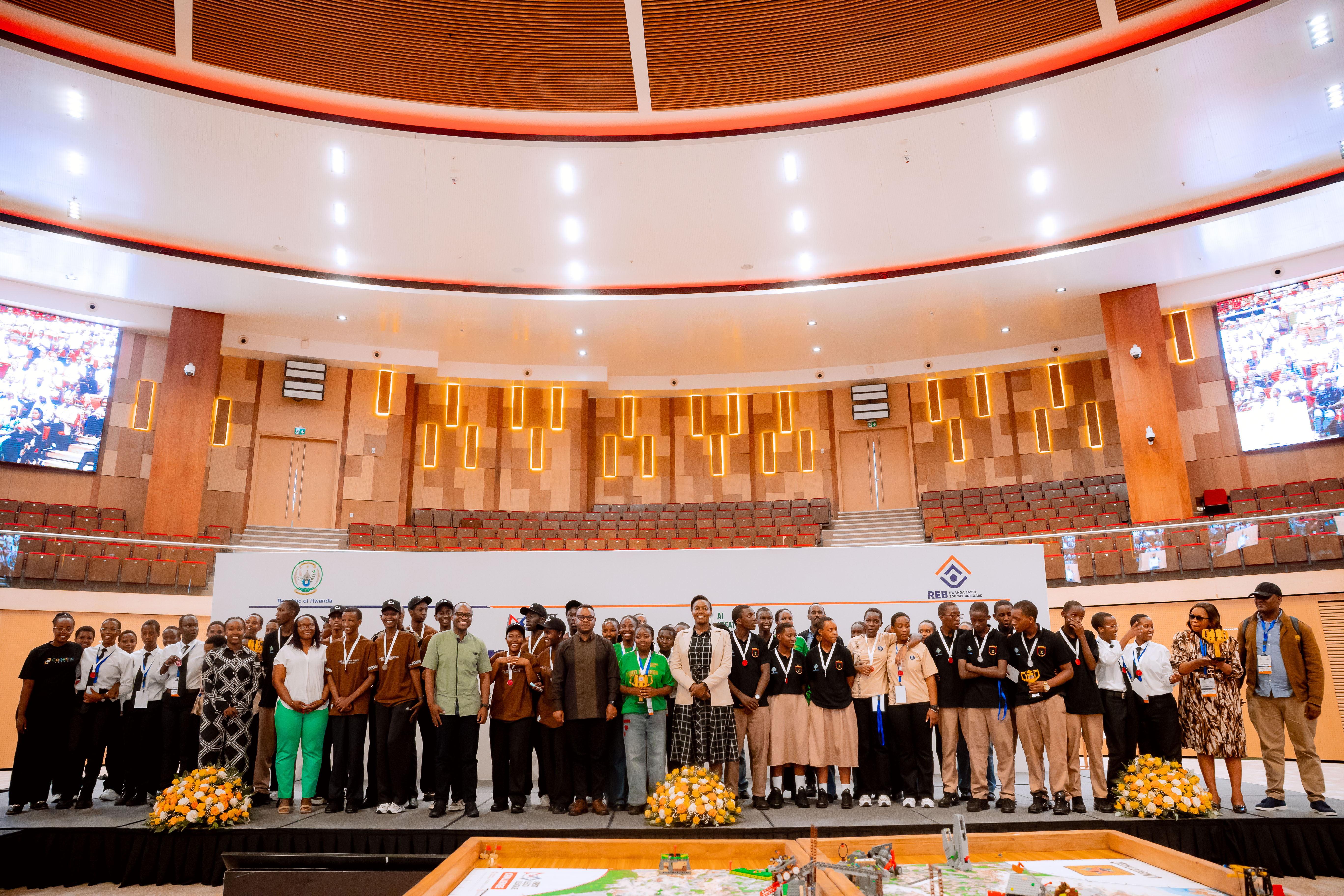
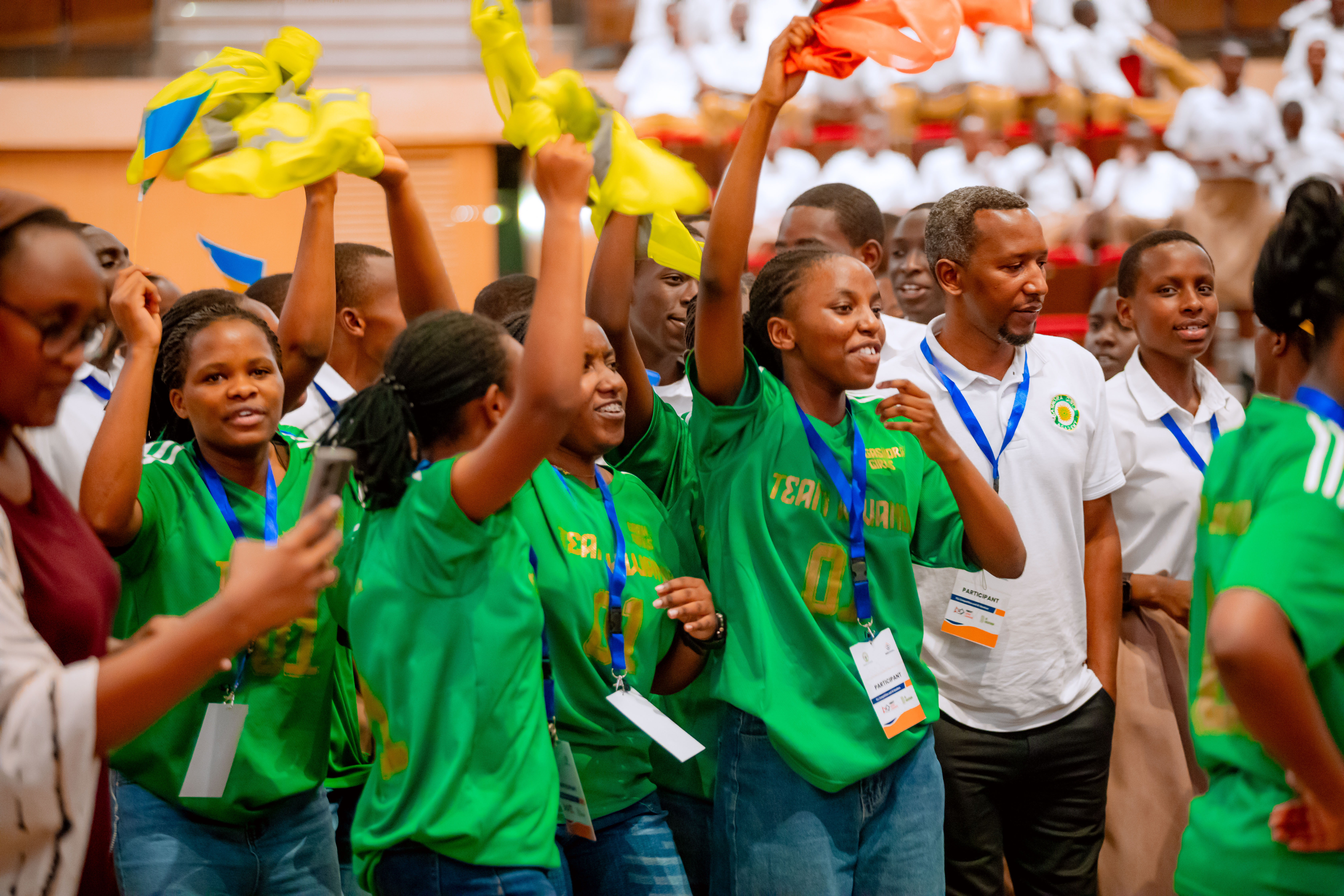
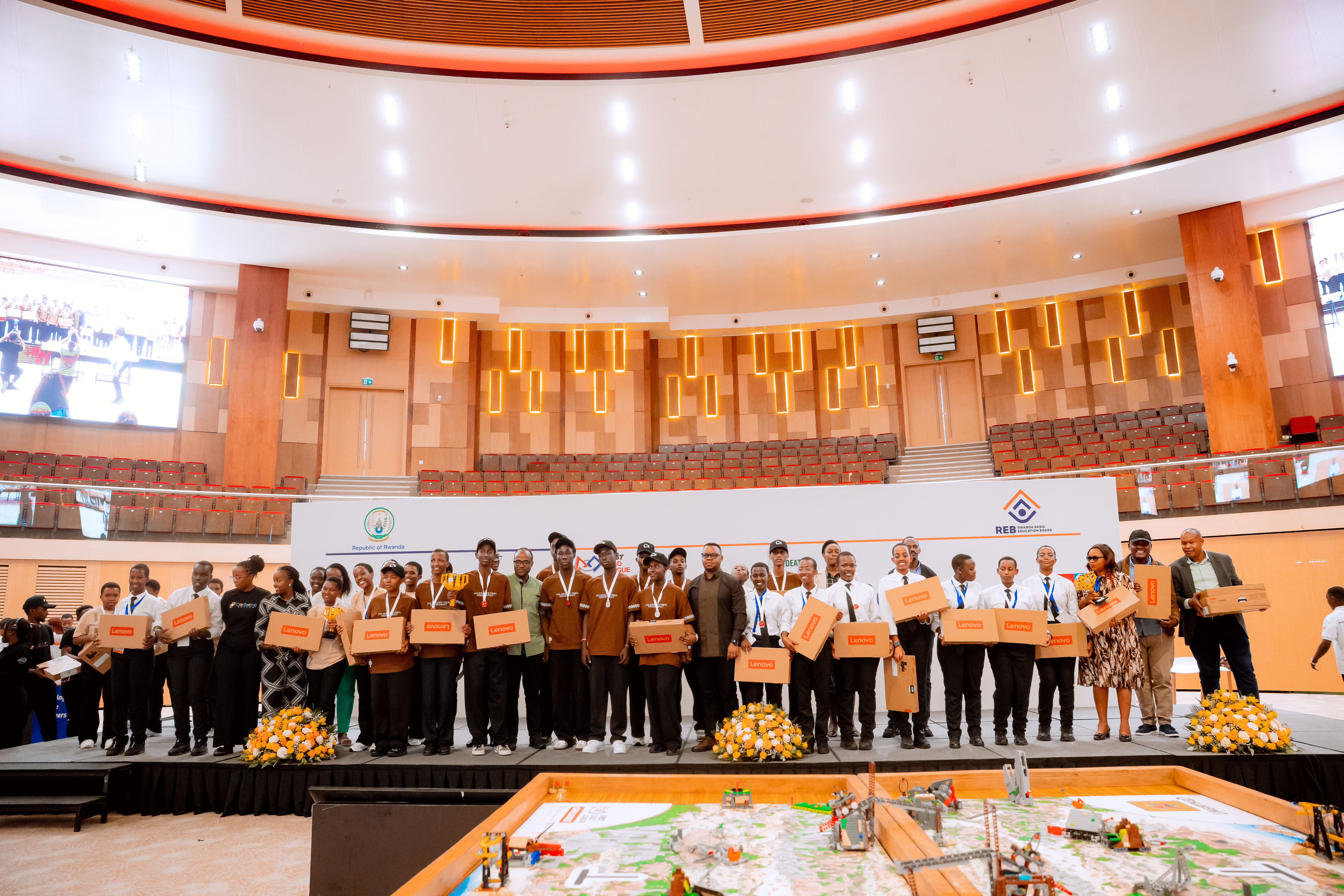
Participants took a group photo to commemorate the start of the championship. The day served as a vivid demonstration that young innovators are already contributing solutions to real-world problems, embodying the spirit of creativity, collaboration, and resilience. These programs are preparing students not only to compete but to lead, innovate, and build the future.
The FLL Championship engages students in multiple components, including the Robot Game, the Innovation Project, and the Core Values of the program. In the Robot Game, students tackle missions that mimic real-world challenges, applying logic, engineering, and teamwork to develop solutions. The Innovation Project encourages participants to create digital and practical solutions aligned with Rwanda’s Vision 2050, promoting a skills-based and innovation-driven society. Core Values such as collaboration, persistence, and enjoyment are emphasized, helping students build resilience and confidence while learning to work together effectively.
Similarly, the AI Ideathon provides students with a platform to explore artificial intelligence in solving societal challenges. Participants analyze annual themes; such as renewable energy or environmental sustainability; and design solutions using creativity and technical knowledge.
Let us go through the Regional First Lego League and AI Ideathon Competitions, Advancing STEM and Innovation in Schools
The regional competitions concluded with remarkable performances from schools across the country in different regions, highlighting talent, teamwork, and innovation among young learners.
Kudos to the teams advancing to the national level. From Kigali City; teams of HOPE HAVEN CHRISTIAN SECONDARY SCHOOL, SAINT IGNATIUS HIGH SCHOOL, and College St. André secured their qualification. Representing the Western Province, ASPADE NGORORERO, GS CONGO NILE, and GS ST JOSEPH NYAMASHEKE also advnced to National level, while the Northern Province was represented by ES STELLA MATUTINA, GS NEMBA I, and GSNDA RWAZA.
Hats off to the winning schools from the regional level. In the Southern Province, GS Officiel Butare, Ecole des Sciences Byimana, and PSVF Butare emerged as top performers. In the Eastern Province, Maranyundo Girls School, FAWE Girls School Gahini, and Gashora Girls Academy of Science and Technology distinguished themselves through outstanding presentations and technical excellence.
The FLL competition at regional level, encouraged students to engage in hands-on learning by building and programming robots to address real-world challenges, while the AI Ideathon allowed students to explore the growing field of artificial intelligence, empowering them to develop solutions to societal problems through coding and machine learning. Both programs complemented each other, enhancing STEM education and positioning Rwanda as a leader in technology-driven innovation across Africa.
Objectives Achieved
The competitions successfully met their intended objectives:
STEM Empowerment: Students were inspired to engage in robotics, engineering, and AI through practical applications.
Problem-Solving and Innovation: Participants tackled local and global challenges using technology, demonstrating critical thinking and creativity.
Skill Development: Learners gained technical skills in robotics, programming, and AI, along with project management and pitching experience.
Collaboration and Leadership: The competitions fostered teamwork, communication, and leadership among student teams.
Awareness and Career Pathways: Students were exposed to future career opportunities in STEM fields, AI, and innovation-driven industries.
Target Audience and Participation
The events brought together secondary school students aged 9–18, who participated in teams according to their age groups. Teachers and mentors provided guidance and coaching, while school leaders, administrators, and tech industry partners offered support and expertise. Key education stakeholders ensured the initiative’s sustainability and alignment with Rwanda’s education and innovation policies.
Key Components to highlight from the Competitions
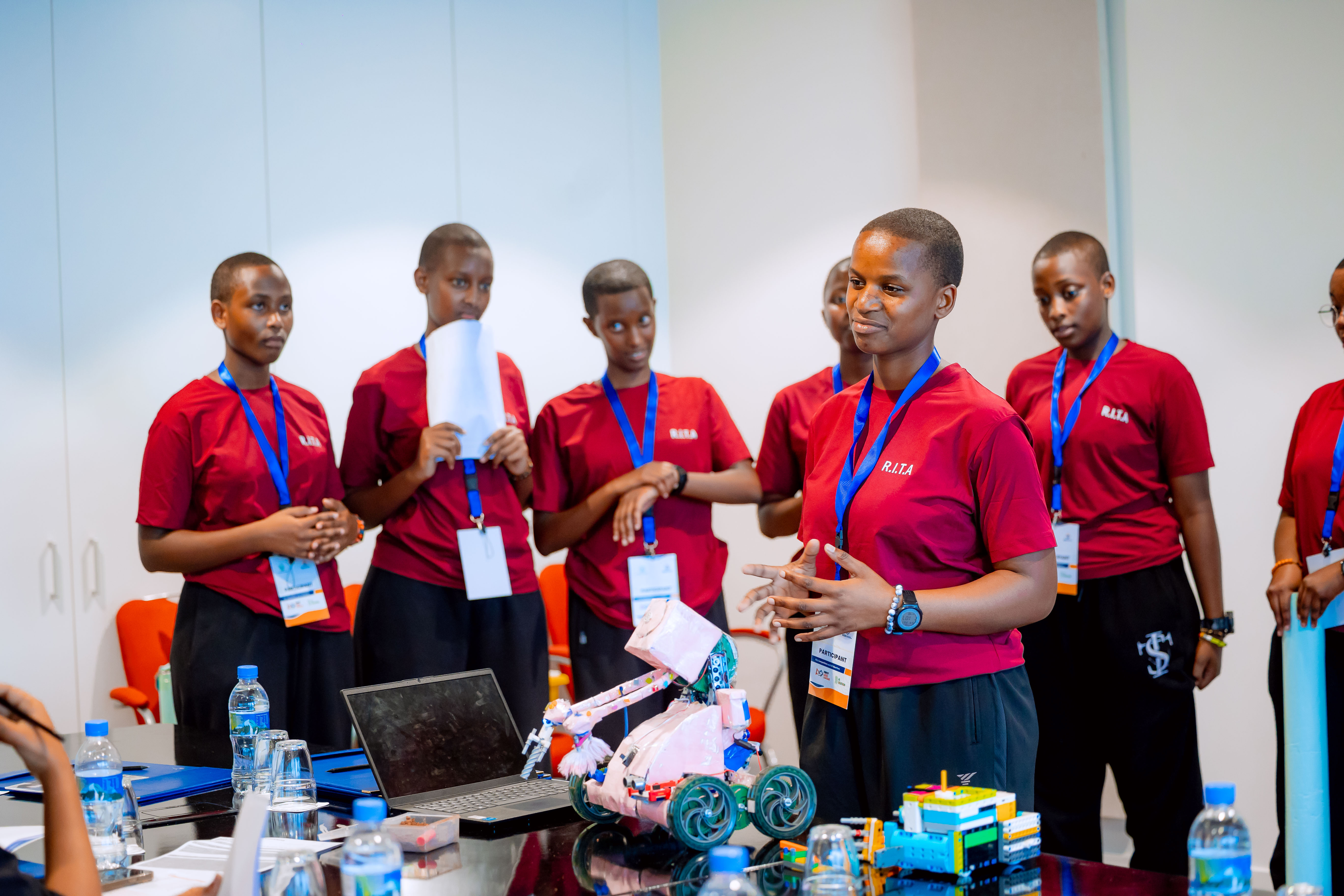
During the FLL competition, student teams designed, built, and programmed LEGO robots using Mindstorms or SPIKE Prime kits to complete missions that mirrored real-world challenges. This year’s theme, “UNEARTHED,” encouraged students to explore problems and solutions inspired by the world around them. Teams presented their solutions in a series of competitions, with winners advancing from regional to national and international levels.
In parallel, the AI Ideathon challenged students to develop AI-based solutions to real-world problems such as healthcare, agriculture, transportation, and education under the theme “Eco-Innovators Challenge.” Teams worked collaboratively over a set period to design projects using coding, machine learning algorithms, and datasets, while also benefiting from workshops and mentorship. Participants gained hands-on experience in project design, coding, problem-solving, and pitching solutions to a panel of judges.
Capacity Building and Preparation
Prior to the competitions, REB supported teachers and students through capacity-building programs, ensuring they were equipped with the skills necessary to succeed at regional, national, and international levels. Training was facilitated by CODERINA and STEM Inspires for robotics, and by other stakeholders for AI.
Teachers attended sessions at five training centers: ES Kayonza (Eastern Province), GS Kampanga (Northern Province), College Inyemeramihigo de Gisenyi and GS Tyazo Nyamasheke (Western Province), and GSO Butare (Southern Province). Following the training, teachers guided students at their respective schools, preparing them for the competitions. The training took place over six days across three weekends; 6th–9th November 2025, 13th–16th November 2025, and 20th–23rd December 2025; under the supervision of REB staff.
Impact and Legacy
The regional FLL and AI Ideathon competitions successfully demonstrated the potential of Rwandan students to innovate, solve real-world problems, and embrace STEM careers. Participants showcased creativity, collaboration, and resilience, proving that hands-on learning in robotics and AI can transform theoretical knowledge into impactful solutions. These programs highlighted Rwanda’s commitment to nurturing a knowledge-driven, innovation-led future, preparing young learners to become the country’s next generation of leaders, engineers, and problem-solvers.
The FIRST LEGO League Competition and AI Ideathon 2025–2026 represent an opportunity to inspire, prepare, and empower Rwanda’s future innovators. Through these initiatives, REB and its partners will contribute directly to building a digitally skilled, innovative, and competitive generation ready to drive Rwanda’s socio-economic transformation.
End