Celebrating International Literacy Day and National Literacy Month 2025
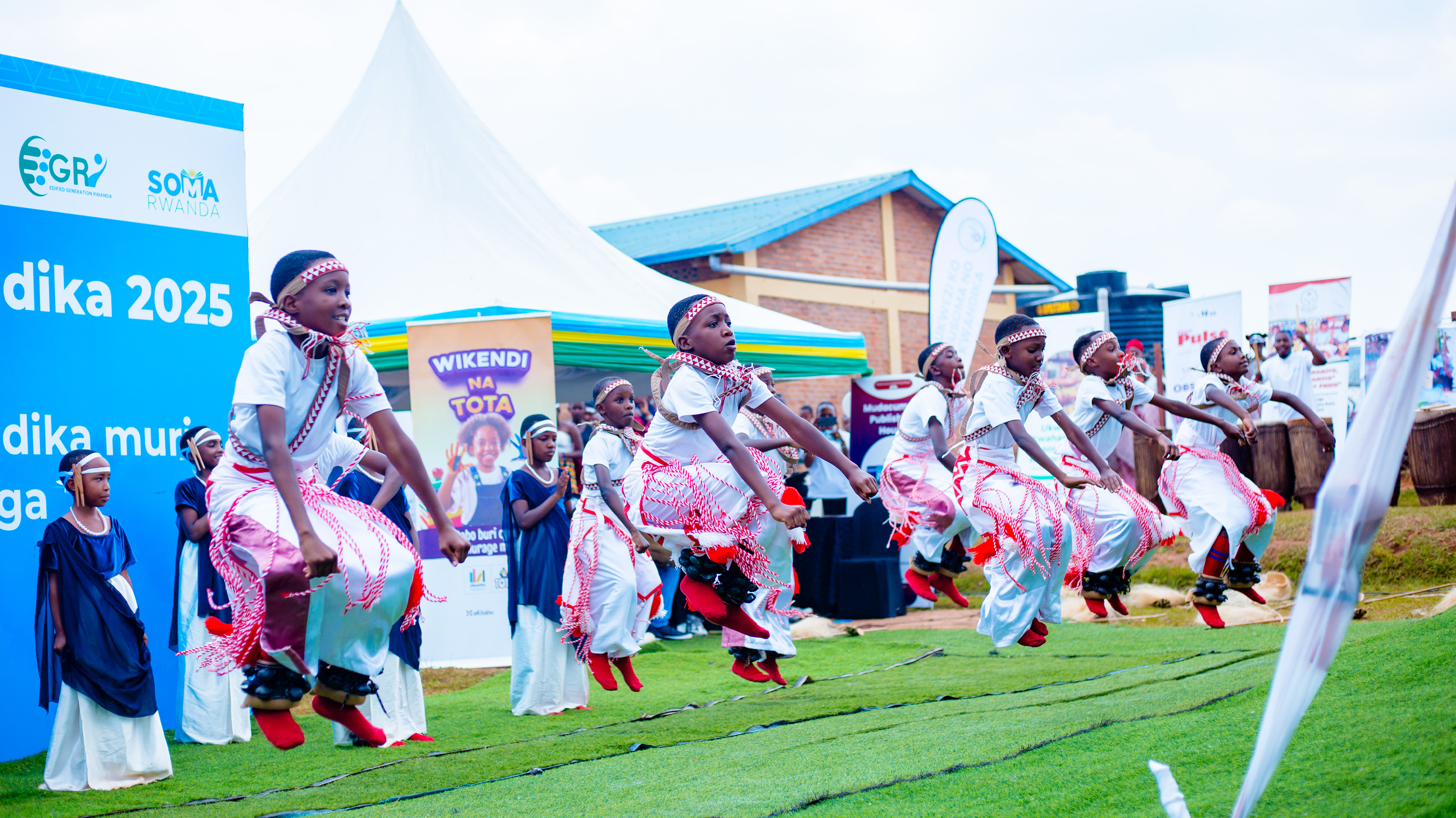
Rwanda joined the rest of the world in celebrating International Literacy Day and the Literacy Month Campaign at GS Musave in Gasabo District on 19th September 2025. The colorful event brought together officials from the Ministry of Education, the Rwanda Basic Education Board (REB), UNICEF, World Bank, World Vision, MINUBUMWE, INTEKO Y’UMUCO, CNRU, RCHA, NCPD, Head Teachers, libraries, publishers, booksellers, donors, local and international NGOs, faith-based organizations, the private sector, and other partners interested in fostering strong, transformed communities through literacy promotion.
This year’s celebrations were held under the theme: “Promoting Literacy in the Digital Era.” The theme highlights the importance of equipping young people and adults with essential literacy skills while encouraging the integration of technology to advance national development. Young people and adults are encouraged to strengthen essential knowledge and embrace a culture of reading and writing as a driver of national development, aligned with technological advancement.
The International Literacy Day activities emphasized the need to cultivate lifelong reading habits among both children and adults. Stakeholders reaffirmed their commitment to supporting literacy programs that empower Rwandans to become more knowledgeable, innovative, and competitive in a fast-changing world.
Director General of Rwanda Basic Education Board, Dr. Nelson Mbarushimana representing Ministry of Education, thanked the collective efforts being made to strengthen a culture of reading and writing in Rwanda.
To address the public, The DG REB said: “Reading is a culture we must always embrace. It is our responsibility from childhood to adulthood to practice and promotethat habit of Reading and Writing. When we read, we think critically, make informed decisions, and build our nation better. Let me remind you that reading and writing are our heritage, and it is our duty to preserve them.”
“I strongly encourage our children to develop a love for reading, but I also want to remind parents that they have a key role to play. Parents are encouraged to help children access books, provide them with spaces to read, and be role models yourselves. Reading should not be limited to schools alone; it must become a culture in our homes, communities, and all our schools. While reading and write, it is a must to incorporate core values of Rwandan (Unity, Patriotism, Integrity, and Hard Work) ” Director General of Rwanda Basic Education Board added
The event featured interactive activities, including entertainment for the audience, storytelling sessions, poetry, reading sessions for children with disabilities and newly literate adults led by the Guest of Honor, as well as exhibitions by publishers; all aimed at inspiring communities to embrace literacy as a lifelong skill. Participants were also encouraged to explore digital tools and platforms that support reading and writing, aligning with Rwanda’s vision of becoming a knowledge-based economy.
Digitalization has been transforming how we learn, live, work, and socialize, in both positive and negative ways, depending on how we engage with it. While digital tools can help expand learning opportunities for marginalized groups, including 739 million young people and adults who lack basic literacy skills, this digital shift also risks creating double marginalization, excluding people not only from traditional literacy education but also from the advantages of the digital age.
Literacy is more than the ability to read and write; it is a basic human right and the cornerstone of lifelong learning. For Rwanda, advancing literacy is central to achieving Vision 2050, which seeks to transform the country into a knowledge-based and middle-income nation. Guided by the Education Sector Strategic Plan (ESSP) and the newly adopted Foundational Learning Strategy, Rwanda is committed to strengthening literacy and numeracy from early childhood and foundation learning, ensuring no learner is left behind. International Literacy Day and the Literacy Month Campaign serve as a reminder that literacy is not only a fundamental human right but also a key driver of personal growth, social cohesion, and sustainable national development.
Objectives of the ILD Celebration
The International Literacy Day and National Literacy Month in Rwanda aim to:
Raise awareness about the importance of literacy and its role in personal, social, and national development.
Promote a culture of reading among children, youth, and adults through sustainable initiatives.
Enhance literacy skills by creating opportunities for learning through workshops, reading sessions, and access to resources.
Engage stakeholders from government, NGOs, academia, and the private sector to collaborate and build long-term partnerships.
Highlight and celebrate achievements in literacy promotion, recognizing individuals and organizations that have made a difference.
Theme for 2025: Promoting Literacy in the Digital Era
The theme for ILD 2025, “Promoting Literacy in the Digital Era,” recognizes the evolving nature of literacy in a fast-changing world. Digitalization is reshaping how people learn, work, and connect. While it offers immense opportunities for expanding access to education, it also risks deepening inequalities for those without digital or basic literacy skills. Rwanda’s celebration will therefore reflect on the progress made and explore policies, programs, and partnerships needed to ensure that literacy keeps pace with technological change.
The Global Significance of International Literacy Day
Since its proclamation by UNESCO in 1967, International Literacy Day (ILD) has been celebrated annually on September 8 to remind the world that literacy is not just about letters on a page it is about dignity, empowerment, and full participation in society. This day emphasizes literacy as both a human right and a tool for building inclusive, just, and sustainable communities.
In Rwanda, ILD has grown into a month-long celebration known as National Literacy Month (NLM). Throughout September, diverse literacy promotion activities are organized across the country by Soma Rwanda members, highlighting Rwanda’s achievements and strengthening the nationwide culture of reading and learning.
In 2012, the Ministry of Education (MINEDUC) launched the Soma Rwanda platform through the Rwanda Basic Education Board (REB) in collaboration with development partners. Its goal was to develop and promote a reading culture among children and adults in Rwanda and to support national efforts to improve literacy skills among children and youth. Soma Rwanda's mission is to foster collaboration among stakeholders by providing a comprehensive, coordinated forum for sharing information, networking, and promoting literacy activities and initiatives. Soma Rwanda is not an implementation organization but instead functions as a knowledgesharing platform and coordination forum that unites stakeholders with the shared goal of enhancing literacy and cultivating a reading and writing culture in Rwanda.
More than fifty years ago, the United Nations Educational, Scientific and Cultural Organization (UNESCO) proclaimed September 8th as International Literacy Day to remind policy-makers, practitioners, and the public of the critical importance of literacy for creating more literate, just, peaceful, and sustainable society. International Literacy Day is now celebrated worldwide, including in Rwanda.