137 Teachers Celebrate Successful Completion of CPD-GDE Program and Earn Professional Qualifications to Prepare Rwanda’s Learners for a Rapidly Changing Global Labour Market
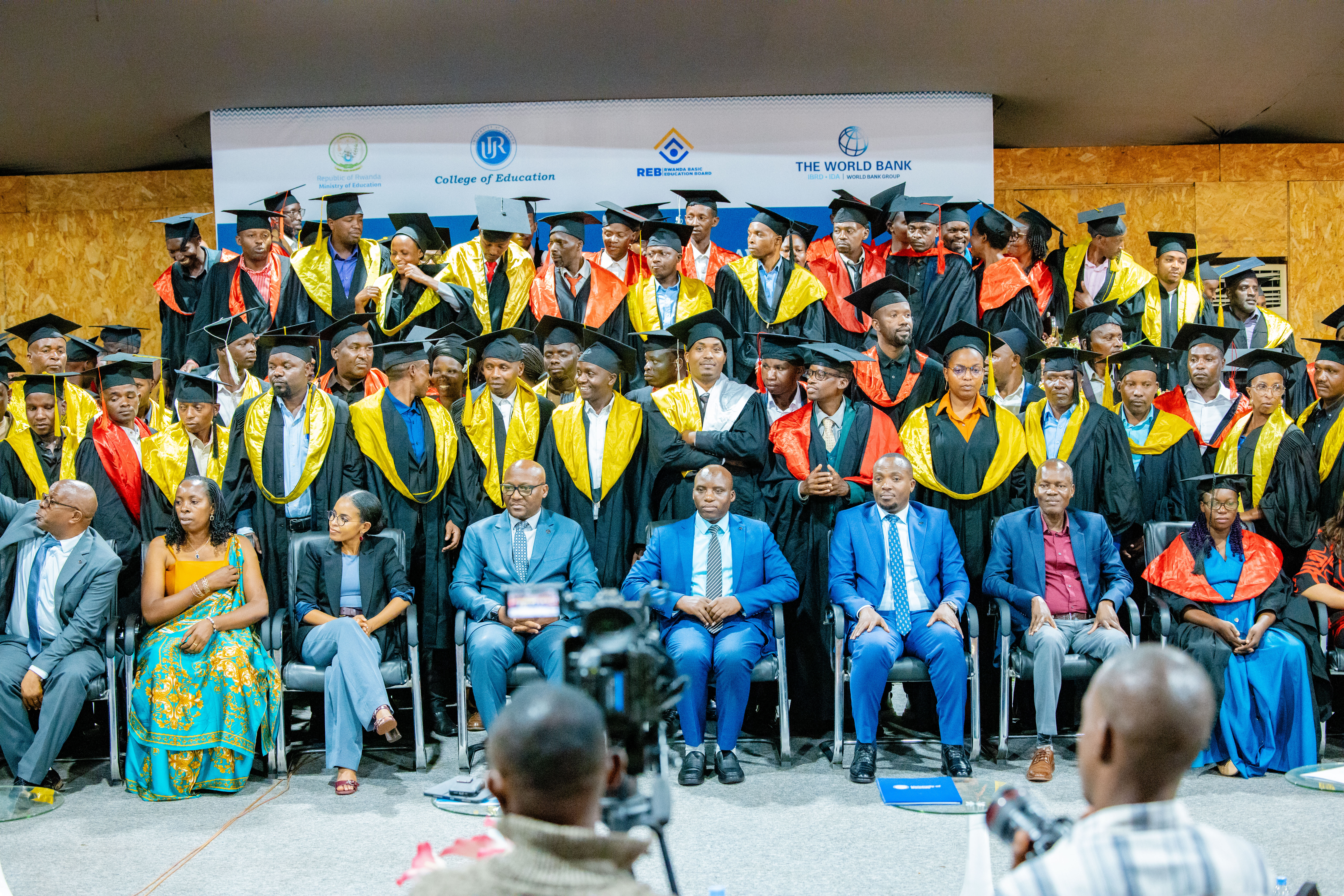
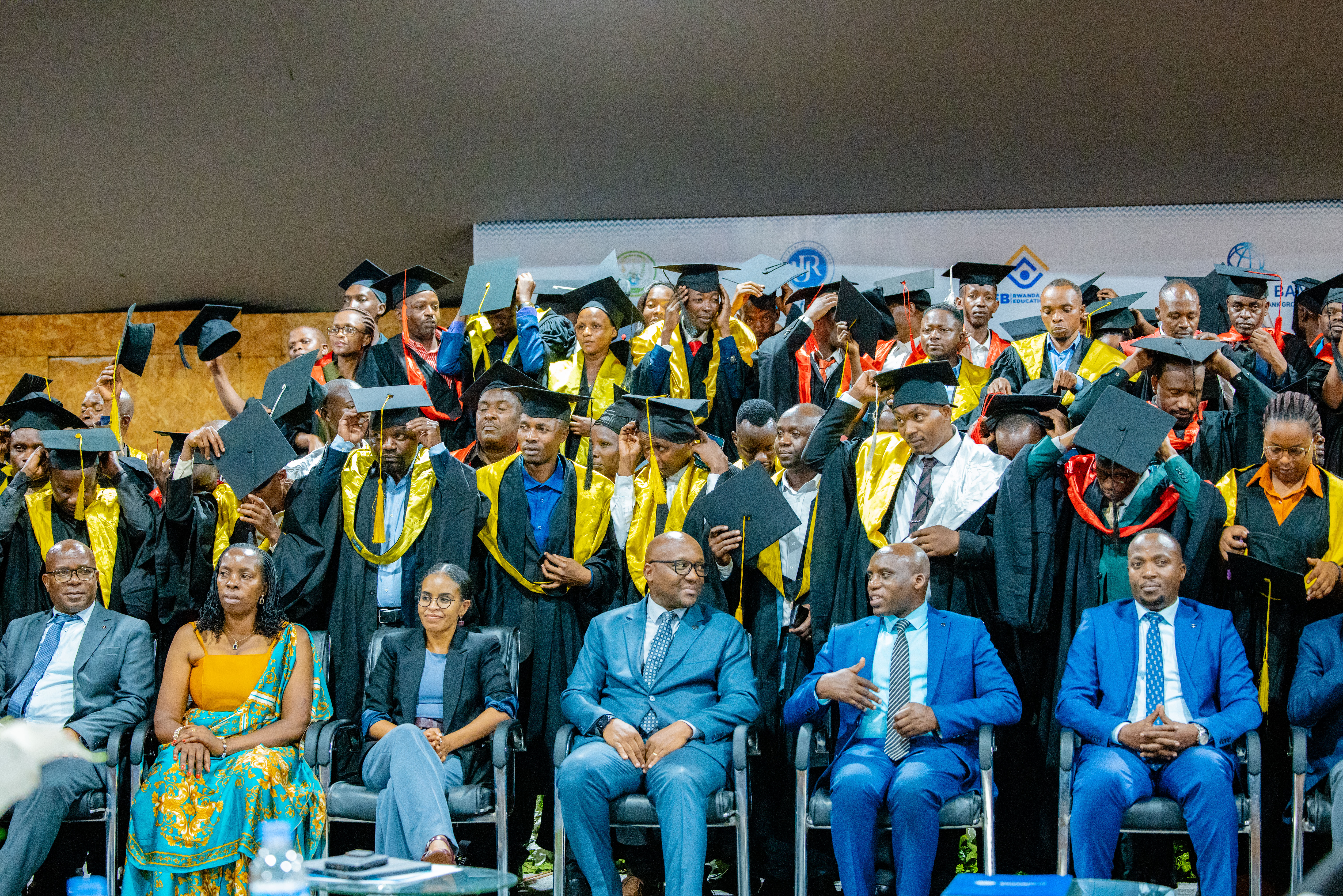
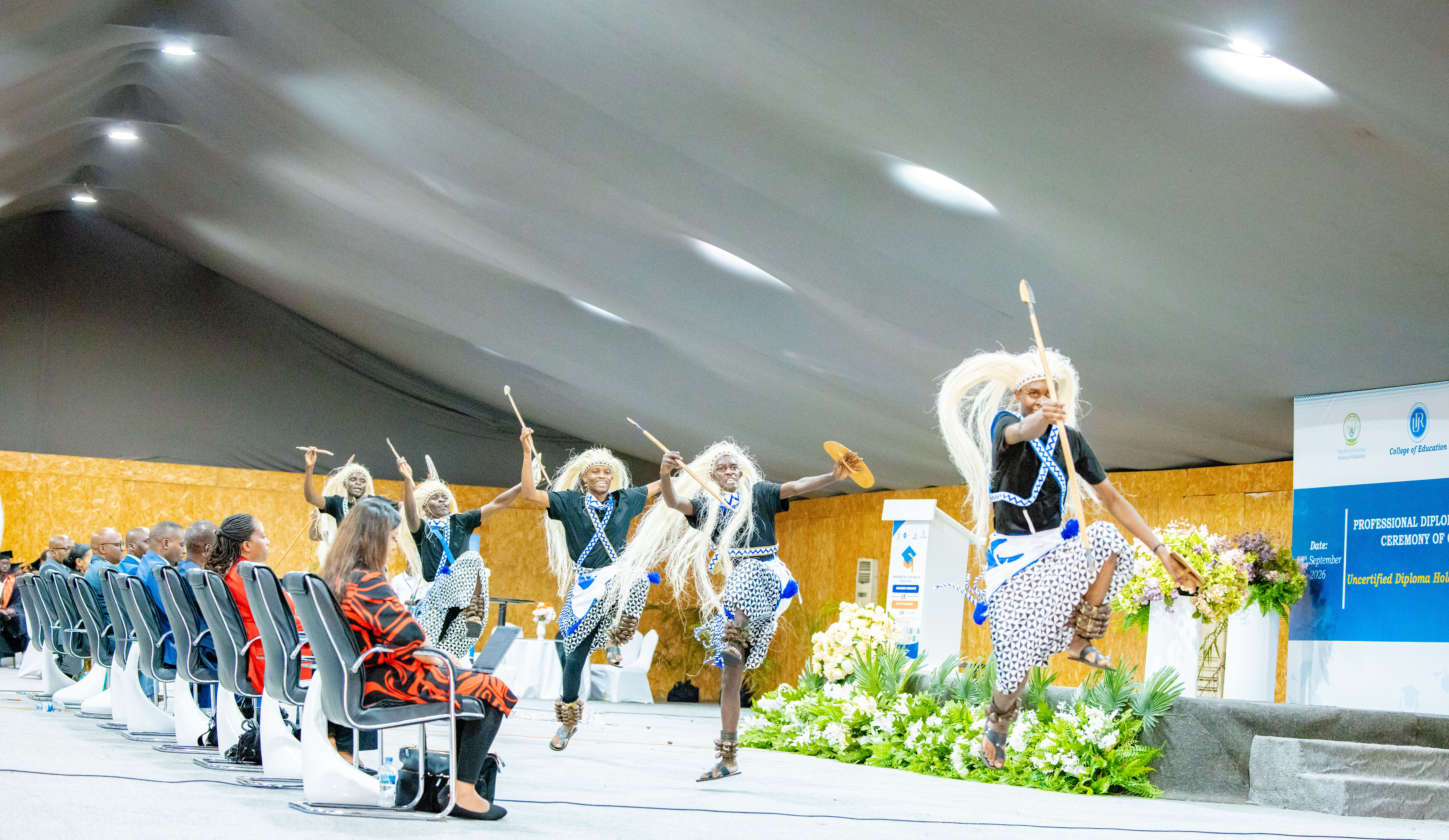
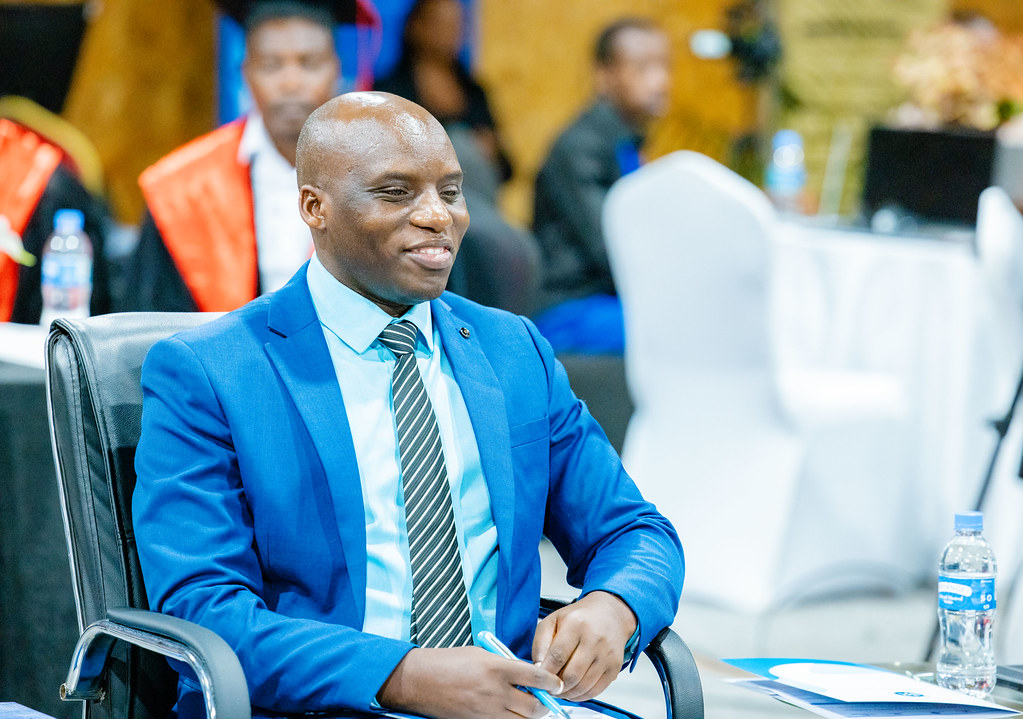
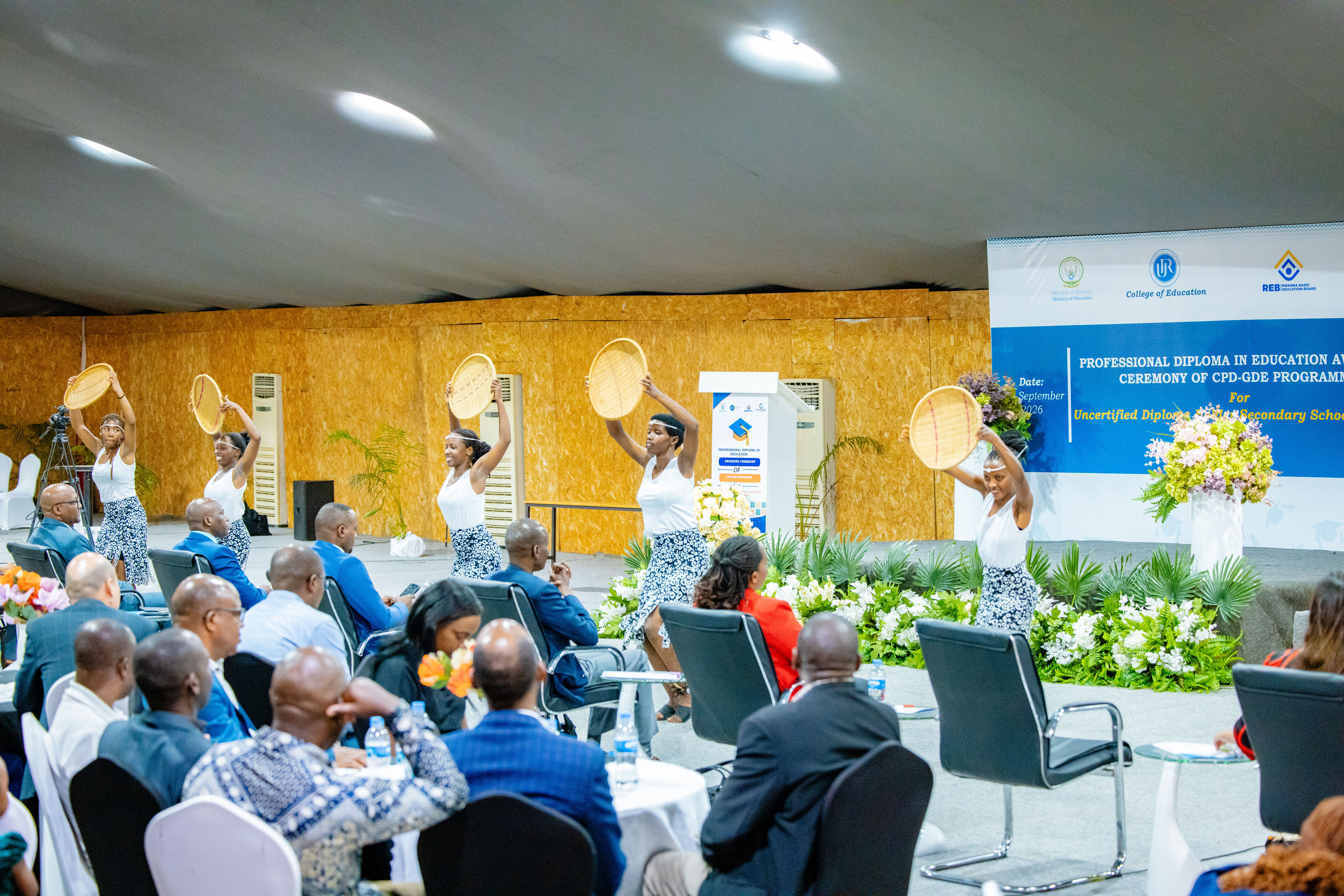
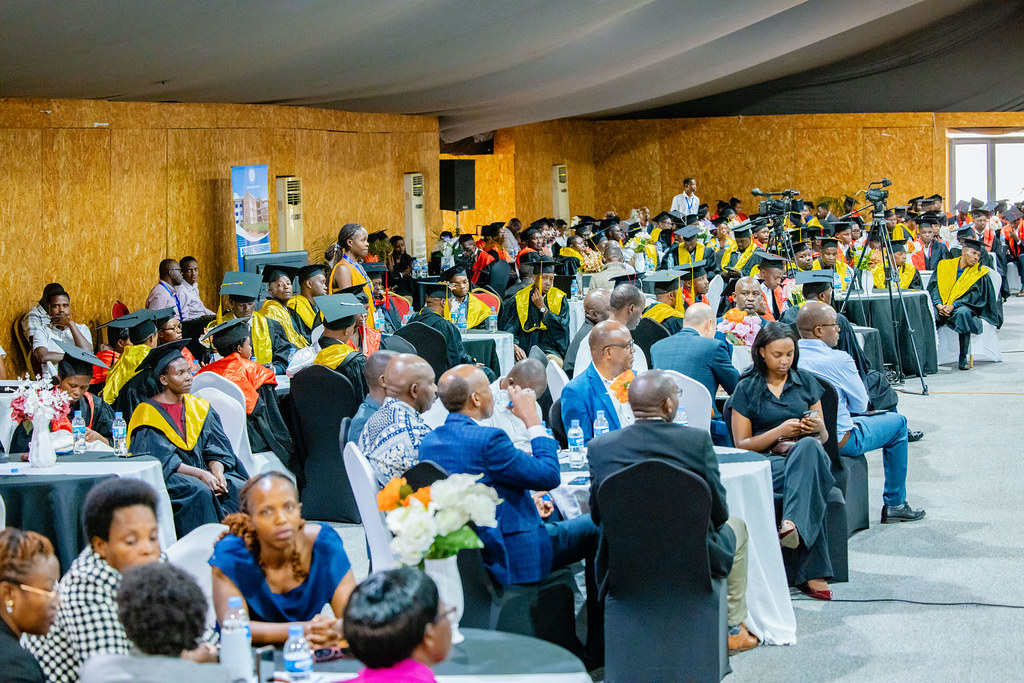
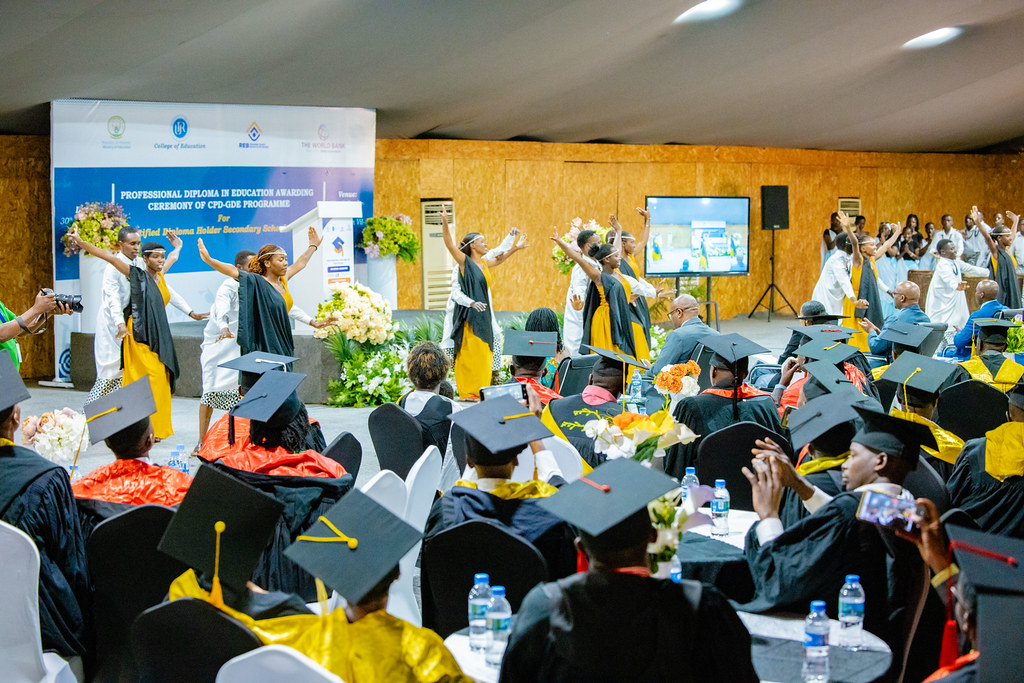
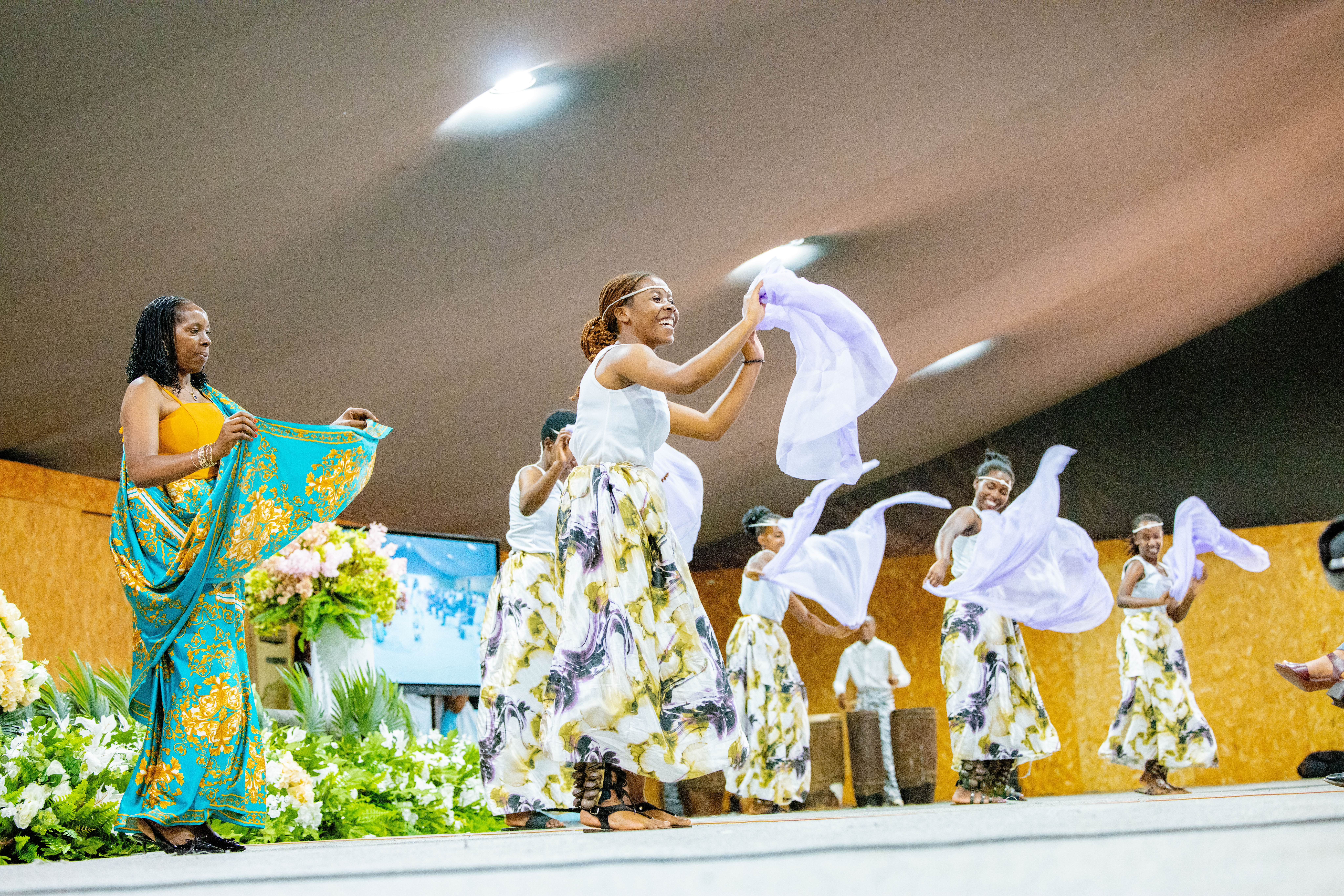
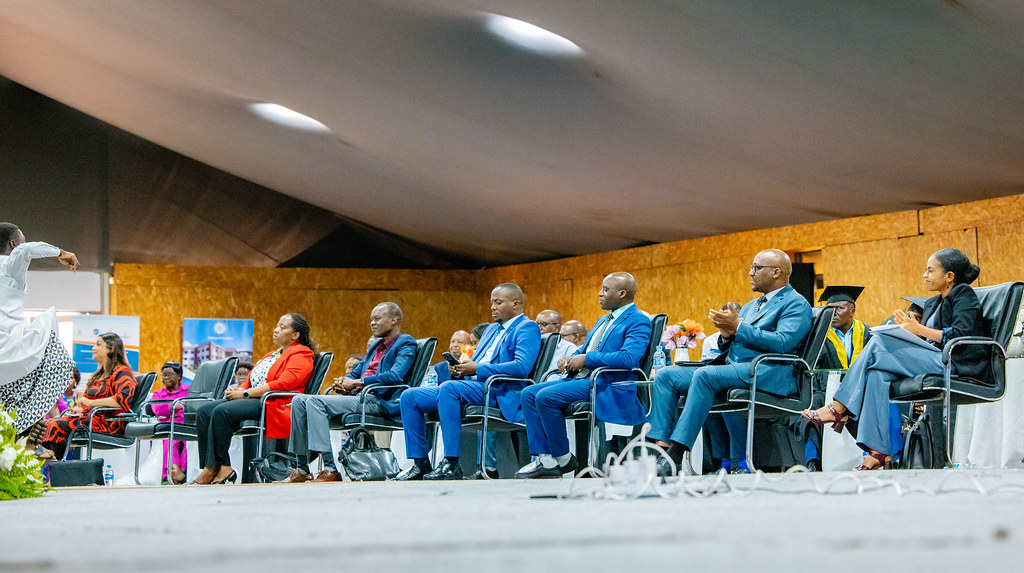
KIGALI, 30 September 2026; it was a beautiful day full of joy and happiness as 137 teachers gathered at the Kigali Conference and Exhibition Village to celebrate the successful completion of the Continuous Professional Development–Graduate Diploma in Education (CPD-GDE) program.
For the graduates, the ceremony marked the end of months of study, sacrifice and professional development. But beyond the celebration and the awarding of certificates, the day marked the beginning of a new chapter in their careers: returning to their classrooms as certified professional teachers, with renewed responsibility to improve teaching and learning for Rwanda’s learners.
The graduation was held under the Rwanda Quality Basic Education for Human Capital Development (RQBE-HCD) Project, Subcomponent 1.4, an initiative aimed at strengthening the pedagogical competencies of A1 uncertified secondary school teachers.
The program is being implemented by the Government of Rwanda through the Ministry of Education (MINEDUC), in collaboration with the University of Rwanda–College of Education (UR-CE), the Rwanda Basic Education Board (REB) and the REB-SPIU, with financing from the World Bank.
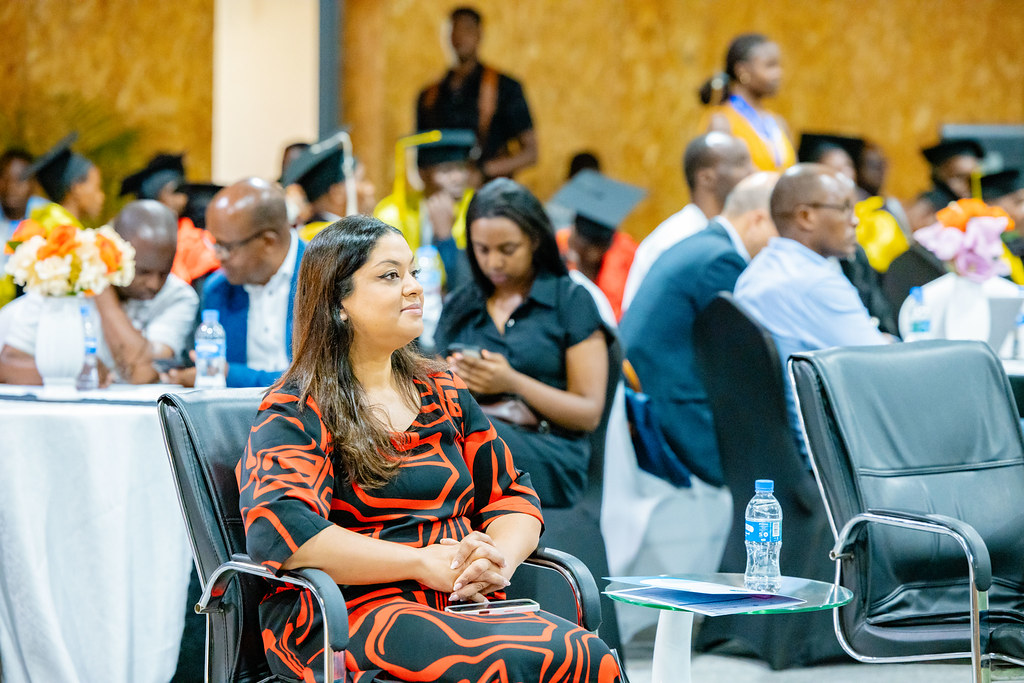
The ceremony brought together the Principal of UR-CE, the Director General of REB, representatives of the World Bank, deans, directors and academic staff, representatives of REB-SPIU and UR-SPIU, head teachers, education partners, families and friends of the graduates.
For all those gathered, the occasion provided an opportunity to celebrate the achievement of the teachers while reflecting on a wider question: how professional development can translate into better teaching and improved learning outcomes in Rwanda’s schools.
From subject knowledge to professional teaching
The RQBE-HCD Subcomponent 1.4 was established to strengthen the pedagogical competencies of A1 uncertified secondary school teachers. Many of the teachers who joined the program already had strong subject knowledge and were contributing to the education of learners in schools. However, they had not yet acquired the required pedagogical training and professional certification.
The CPD-GDE program provided an opportunity for these teachers to develop their professional and pedagogical competencies while continuing to serve in their classrooms. The programme consequently sought to bridge the gap between knowing a subject and knowing how best to teach it. The graduation ceremony represented the formal recognition of that journey.
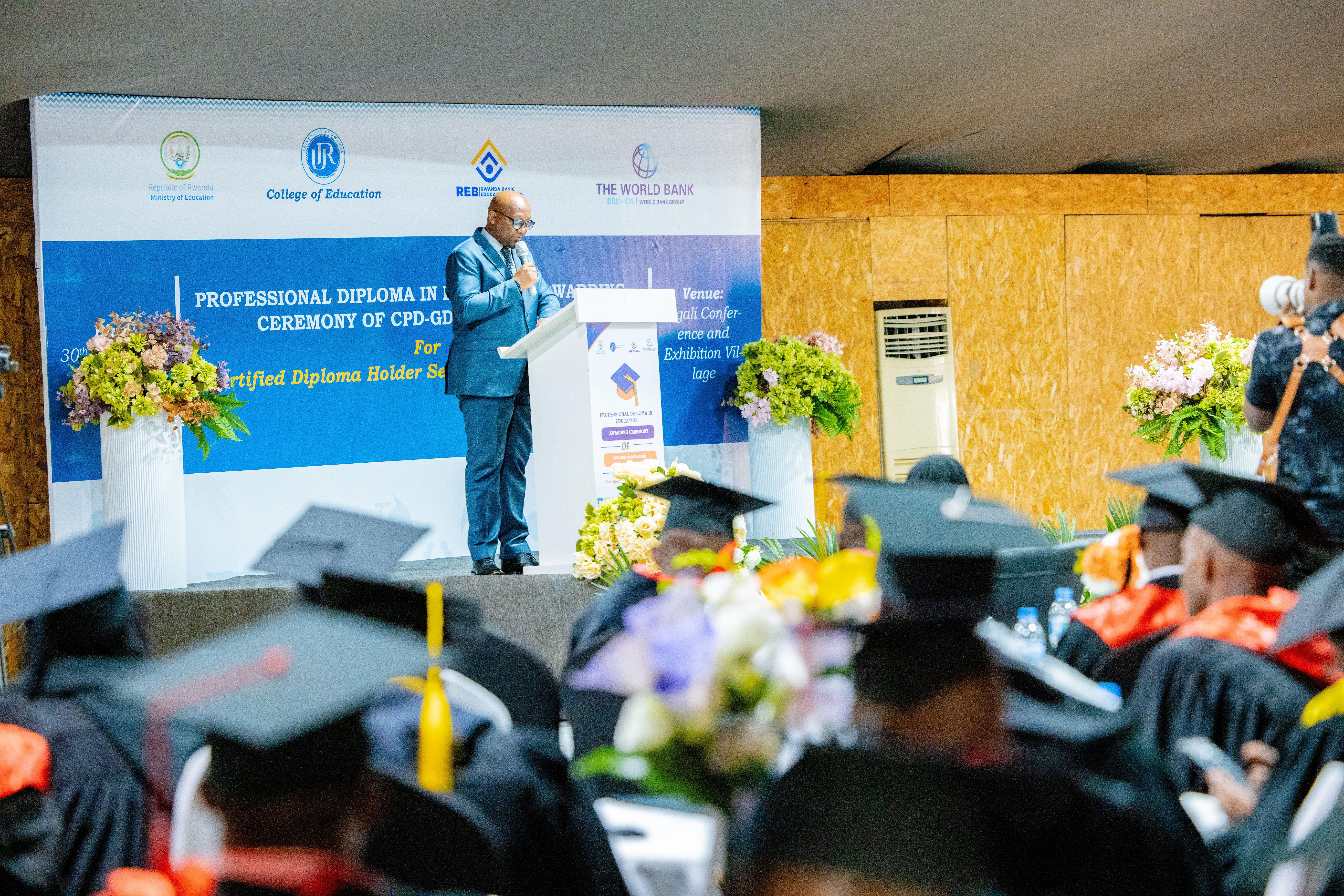
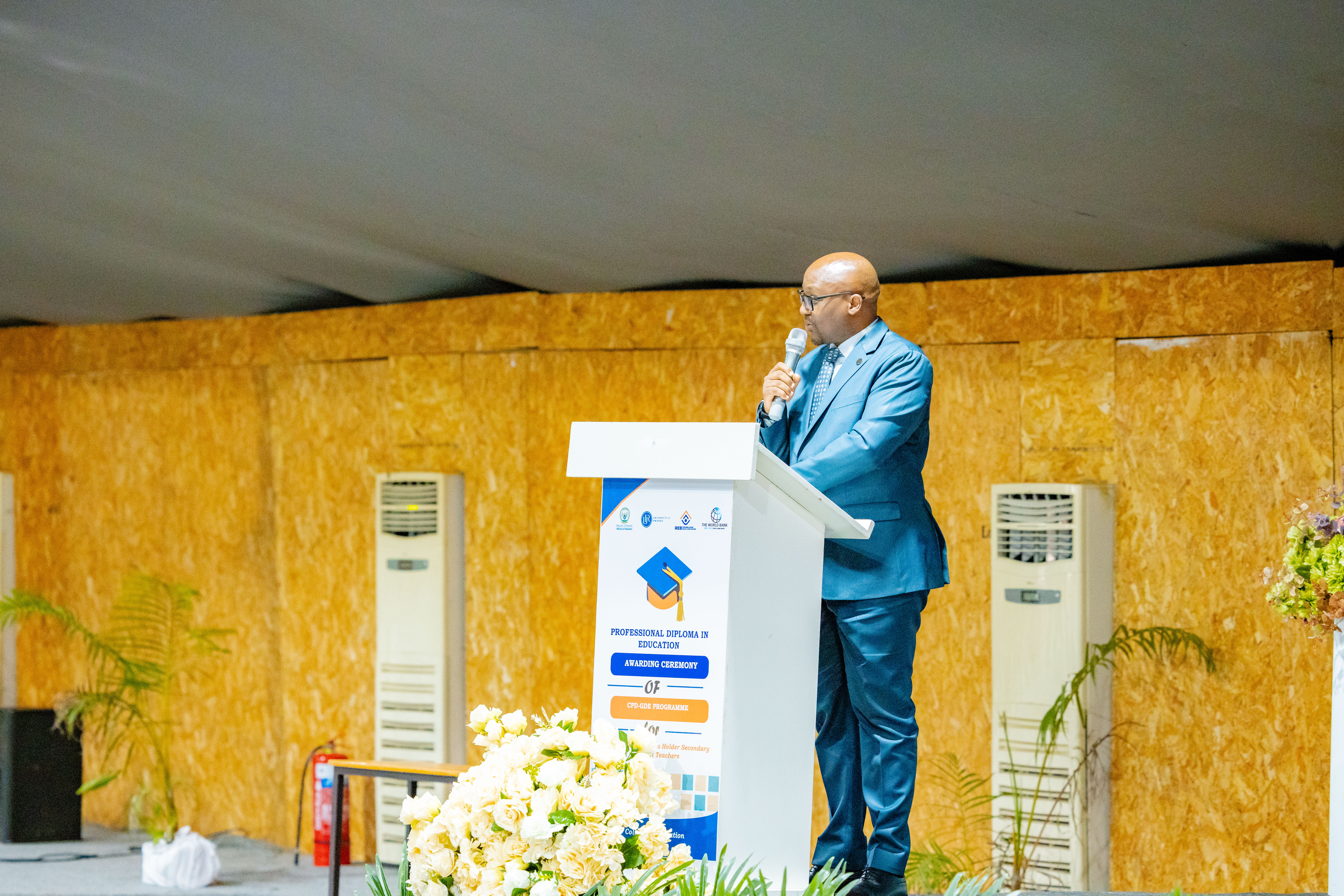
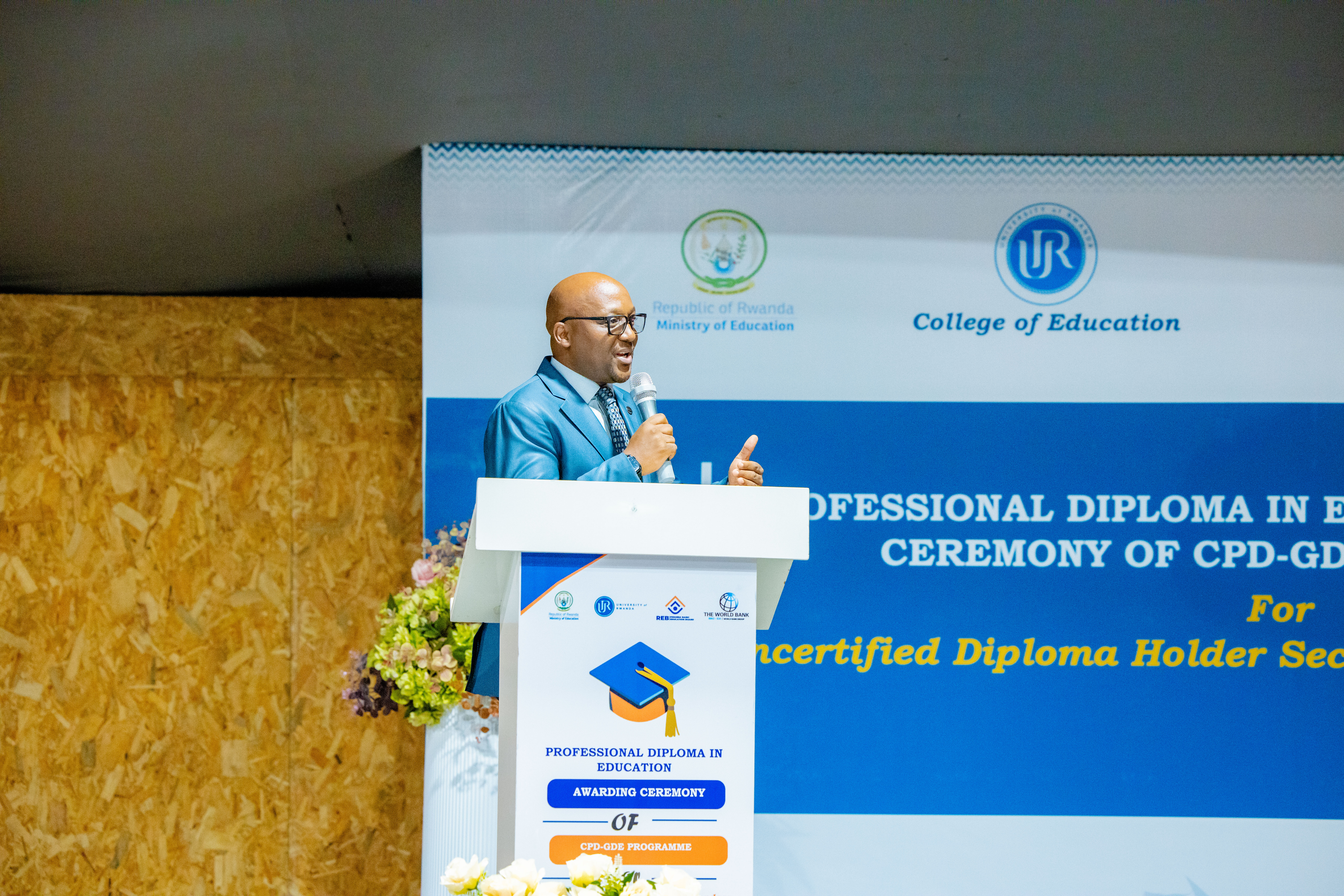
In his address, Director General of the Rwanda Basic Education Board, Dr. Nelson Mbarushimana, speaking on behalf of the Minister of Education, described the achievement as part of Rwanda’s broader investment in human capital development.
“The Government of Rwanda has placed human capital development at the centre of its national transformation agenda. We know that the quality of an education system cannot exceed the quality of its teachers.”
He acknowledged that infrastructure, textbooks and technology are important components of an effective education system, but emphasized that teachers are the people who turn these resources into actual learning.
“Buildings, books and technology matter, but it is the teacher who turns them into learning. That is why investing in teachers is one of the most important investments this country can make.” The message placed the graduates at the centre of the education system’s ability to transform investment into results in the classroom.
An investment that reaches the classroom
The Government of Rwanda, through the RQBE-HCD Project financed by the World Bank, has committed to improving teacher competency, learner retention and learning outcomes in basic education. For the Director General of Rwanda Basic Education Board (REB), the graduation of the 137 teachers provided tangible evidence of this commitment.
Teachers who entered the program with subject knowledge but without formal pedagogical training were leaving with professional qualifications and strengthened competencies to implement Rwanda’s Competence-Based Curriculum. Dr. Mbarushimana commended the University of Rwanda through its College of Education for designing and delivering the program in line with national standards while allowing teachers to remain in their classrooms during their professional development.
He also recognized Rwanda Basic Education Board’s role in supporting and supervising the trainees and expressed appreciation to the World Bank for its continued partnership with Rwanda in strengthening the education system. The collaboration reflects the understanding that teacher development requires coordinated efforts between education institutions, academic institutions and development partners.
The evidence will continue beyond graduation
The graduation is also expected to provide an opportunity for further learning about the effectiveness of teacher professional development. Dr. Mbarushimana welcomed plans by the College of Education to conduct research to measure the impact of the CPD-GDE program on classroom practice. Such evidence, he noted, can help guide the Ministry of Education as it considers how to sustain and scale up professional development opportunities.
This approach places emphasis not only on how many teachers complete a program, but also on what changes occur when they return to their schools and apply what they have learned. The ultimate measure of professional development is therefore expected to be visible in teaching practices and in the learning experiences of students.
“Teachers are at the heart of education”
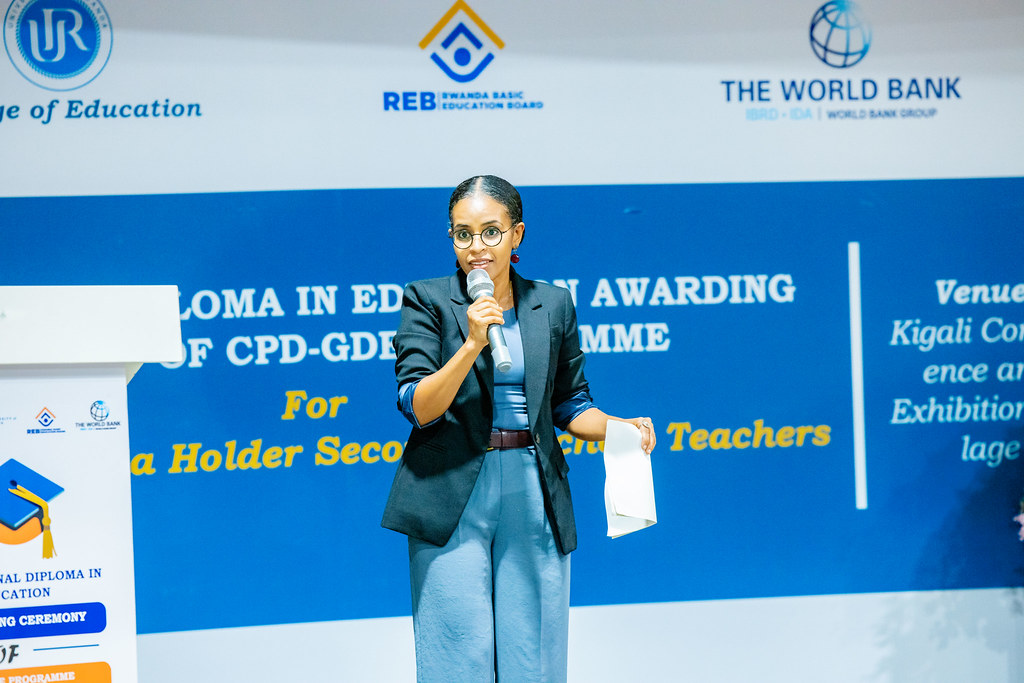
That same message was echoed by Dr. Tihtina Zenebe Gebre, Senior Economist and Task Team Leader for the Rwanda Quality Basic Education for Human Capital Development Project at the World Bank.
Congratulating the graduates, Dr. Tihtina thanked the education leadership, UR-CE, partners, the REB-SPIU team, faculty members and families for the partnership that contributed to the achievement. She also recognized the hard work and sacrifice made by the graduates throughout the programme.
“We are celebrating your hard work and the sacrifice you have made over the past months. So, it is really happy and a profound honor to be here with all of you.”
Reflecting on her three and a half years in Rwanda, Dr. Tihtina said the implementation of the project over time is a testament to the Government of Rwanda’s prioritization of education.
She pointed to investments that have been made across the education system, including classroom construction and upgrading, textbook procurement, digital infrastructure and laptops. Yet she emphasized that these investments ultimately depend on teachers to translate them into meaningful learning.
“Ultimately, teachers are at the heart of education and you are going to be driving what happens with all of the investment that's coming to your schools in translating it into actual high-quality teaching and learning in your classrooms.” For Dr. Tihtina, the graduates will play a central role in ensuring that investments in schools produce tangible benefits for learners.
“You are the one who will shape the lives of students using everything that has been invested, including in your further education and continuous professional development.”
Preparing learners for a changing world
The role of the graduates becomes even more significant as the expectations placed on secondary education continue to evolve.
Dr. Tihtina described the present period as an important time to be a secondary school teacher, as teachers are increasingly expected to bring innovation, creativity and higher quality into their teaching. Secondary education, she explained, represents a critical transition in a learner’s development.
While primary education establishes essential foundations such as literacy and basic mathematics, secondary education helps prepare young people for different pathways, including further education, entrepreneurship and participation in the labour market; and that labour market is no longer limited to Rwanda.
Today’s learners are preparing to participate in an increasingly interconnected global economy that is rapidly changing through technology.
“They are not competing in Rwanda’s labour market; they are competing in a global labour market that’s rapidly changing with technology. We can’t even keep up with what’s happening.” This changing environment places a significant responsibility on secondary school teachers. What happens in their classrooms can influence how learners understand themselves, develop their abilities and prepare for their future.
“What you do with your secondary education students is so essential. You are actually going to be shaping the next generation in the truest meaning of that word.”
The certificate is not the end of learning
As the graduates celebrated completing the CPD-GDE programme, both speakers emphasized that professional development should not end with graduation.
Dr. Tihtina encouraged the teachers not to become complacent after obtaining their qualification. The rapid development of technology and the changing nature of education mean that teachers need to continuously update their knowledge and skills.
“Don’t stop learning. It’s changing; secondary education, your students are discovering things, new technology.” She encouraged the graduates to maintain a growth mindset and a culture of continuous learning, and to share that culture with other teachers in their schools.
“I hope you maintain that growth mindset and continuous learning culture and also pass it to your fellow teachers in the schools where you’ll be teaching.” The message closely complemented the guidance given by the DG REB, who also reminded the graduates that education continues to change and teachers must change with it.
“Never stop learning. Education keeps changing, and so must we.” For the graduates, therefore, the certificate represents recognition of an achievement, but it also comes with a continuing professional responsibility.
“Your learners are the reason for everything you have done”
Addressing the graduates directly, Dr. Mbarushimana reminded them that the purpose of their professional development ultimately lies with the learners they serve.
“Your learners are the reason for everything you have done. Every lesson you plan well, every learner you help to understand, is a contribution to the future of Rwanda.”
He encouraged the newly certified teachers to become role models in their schools and to ensure that the knowledge acquired through the programme benefits not only themselves but also their colleagues.
“Be role models in your schools. Share what you have learned, support your colleagues, and help build a culture of continuous improvement.”
The call for collaboration reflects the understanding that professional development can have a wider impact when teachers share knowledge, experiences and effective practices with colleagues.
The 137 graduates therefore leave the programme not only with new professional qualifications, but also with an expectation to contribute to the professional learning culture within their schools.
From celebration to responsibility
As the ceremony came to a close, the atmosphere of celebration was accompanied by a clear message about what comes next.
The 137 teachers have completed an important stage of their professional journey. They have been formally recognized as professional teachers at lower secondary education level and equipped with additional pedagogical competencies. But their greatest opportunity now lies in applying those competencies.
Their classrooms will become the place where the knowledge gained through the CPD-GDE program meets the realities of teaching and learning. Their students will be the beneficiaries of their continued professional growth. Their colleagues will be potential partners in sharing knowledge and improving practice.
And the wider education system will look to evidence from programs such as this one to understand how professional development can contribute to stronger classroom practice and better learning outcomes. For the graduates, the message from the ceremony was therefore clear: graduation is not the end of the journey. It is a new beginning.
The certificate recognizes what they have achieved. The responsibility ahead is to transform that achievement into better teaching, stronger professional collaboration and richer learning experiences for Rwanda’s learners.
As Dr. Tihtina reminded them, teachers are ultimately the ones who translate the country’s investment in education into what happens inside classrooms. As Dr. Mbarushimana told them, every well-planned lesson and every learner helped to understand contributes to the future of Rwanda.
137 teachers celebrated their achievement. The next chapter begins when they walk back into their classrooms; with new knowledge, renewed professional identity and a continuing commitment to learn, teach and help shape the next generation.
End